Neuro-HIFU is a highly precise, minimally invasive technique that allows the treatment of essential tremor and certain symptoms of Parkinson’s disease without surgery. The procedure is based on the use of High-Intensity Focused Ultrasound (HIFU), which targets the neuronal cells responsible for the tremor.
The treatment is carried out in just a few hours, without the need for surgery or any incision in the skull, and offers immediate and permanent results.
Neuro-HIFU: When Is It Recommended?
Each patient is assessed by the specialists of the Ascires Parkinson’s and Movement Disorders Unit to determine whether they meet the clinical criteria for focused ultrasound treatment. However, in general terms, the Neuro-HIFU technique is indicated for:
Patients with Essential Tremor, a neurological disorder that causes involuntary and rhythmic movements. It mainly affects the hands, although the head, voice and legs may also be involved. There are different levels of severity, and symptoms may worsen over time, becoming increasingly intense. As a result, essential tremor can become highly limiting, especially when it interferes with simple everyday tasks such as writing, lifting a glass, using cutlery or getting dressed. It is the most common movement disorder and, although its causes remain unknown, around 60% of cases are estimated to have a genetic origin.
Certain patients with Parkinson’s Disease, to treat specific symptoms associated with the condition, such as tremor, rigidity or slowness of movement. “In addition to treating Parkinson’s patients with tremor, we can also use the Neuro-HIFU technique in patients with other symptoms of the disease, such as slowness of movement (bradykinesia), rigidity or gait disturbances,” explains neurologist Dra. Mireya Losada.
How Does the Neuro-HIFU Technique Work?
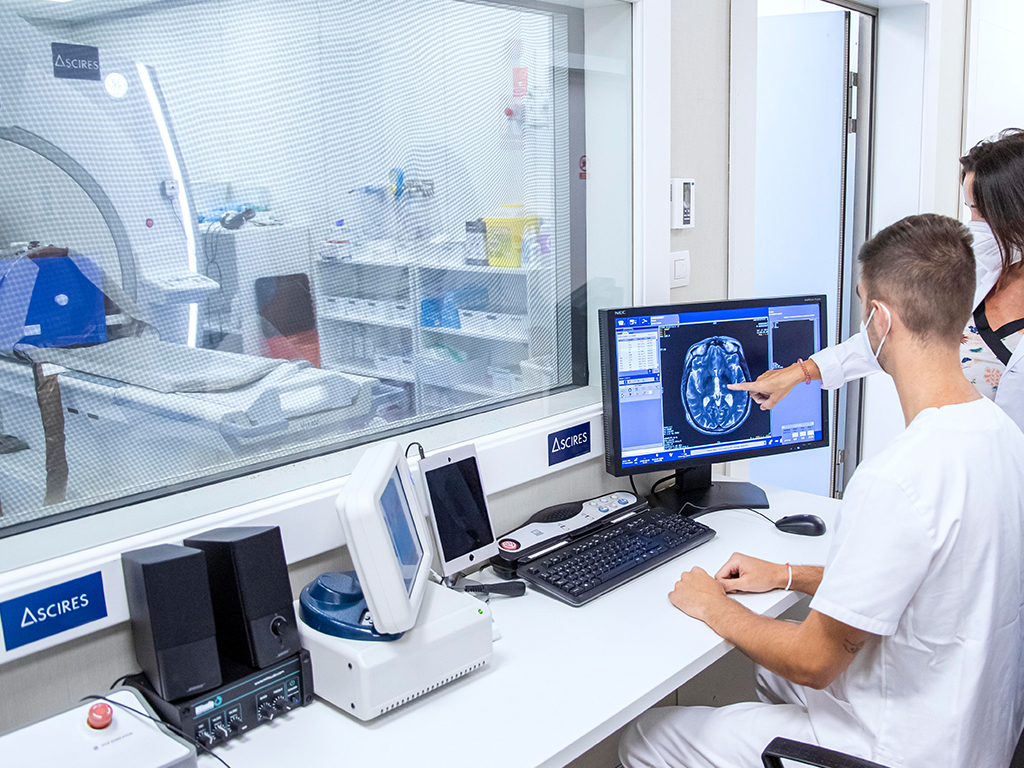
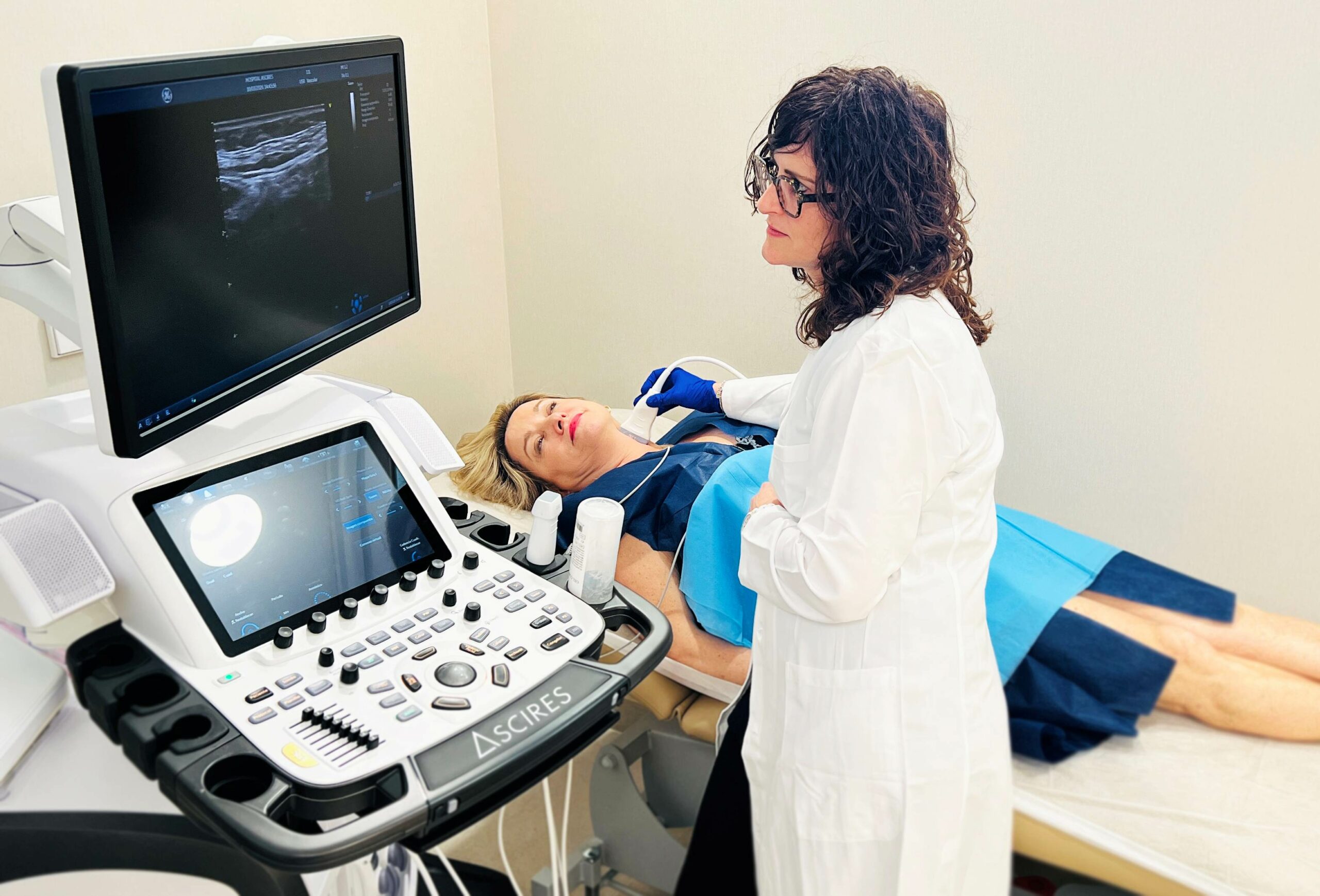
Patient Assessment: The first step is an evaluation by a Neurology specialist. In addition to a full neurological examination and medical history review, the specialist will request Diagnostic Imaging tests, including MRI and CT scans. Based on these assessments, the physician will determine whether the patient is a suitable candidate for Neuro-HIFU treatment.
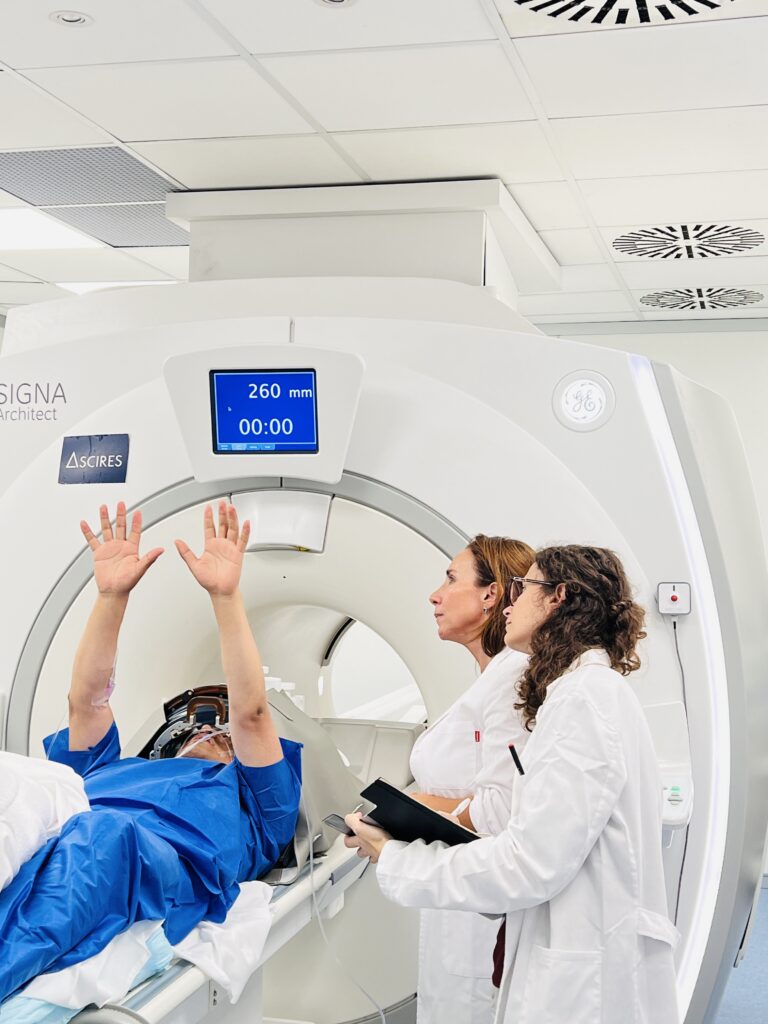
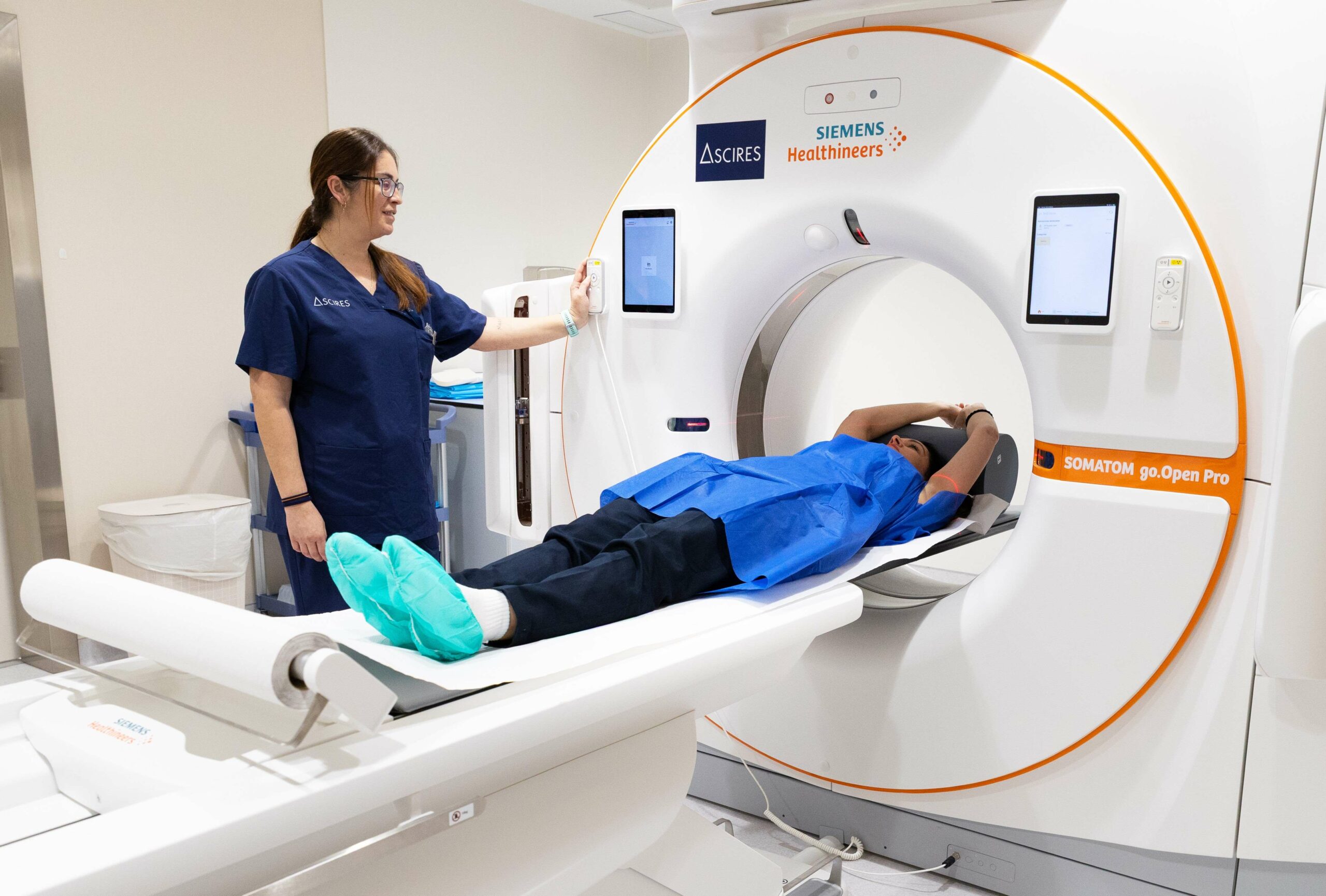
Treatment : The Neuro-HIFU procedure is performed in an MRI suite and lasts approximately 1 hour and 30 minutes. Using a 3 Tesla MRI scanner — which provides the highest image quality — specialists precisely identify the exact area of the brain to be treated (the target) and plan the intervention. The patient remains awake throughout the procedure, as their collaboration is essential to assess the effect of the ultrasound waves on the tremor in real time. Once the ultrasound is applied to the affected cells, the cessation of the tremor can be observed immediately.
Follow-Up: Once the treatment is completed — with no recovery period required — a new MRI scan is performed and the results are assessed. Patients can return to their normal daily activities, experiencing an immediate improvement in their quality of life.
What Are Its Advantages?
Minimally invasive technique: no surgical incisions or general anaesthesia required.
Outpatient procedure: no hospital admission or operating theatre needed.
Image-guided technique using the latest medical technology (3 Tesla MRI) for maximum precision and safety.
Performed in a single session of approximately 1 hour and 30 minutes. Immediate visible results.
Ascires Grupo Biomédico, a Pioneer in Neuro-HIFU in Spain
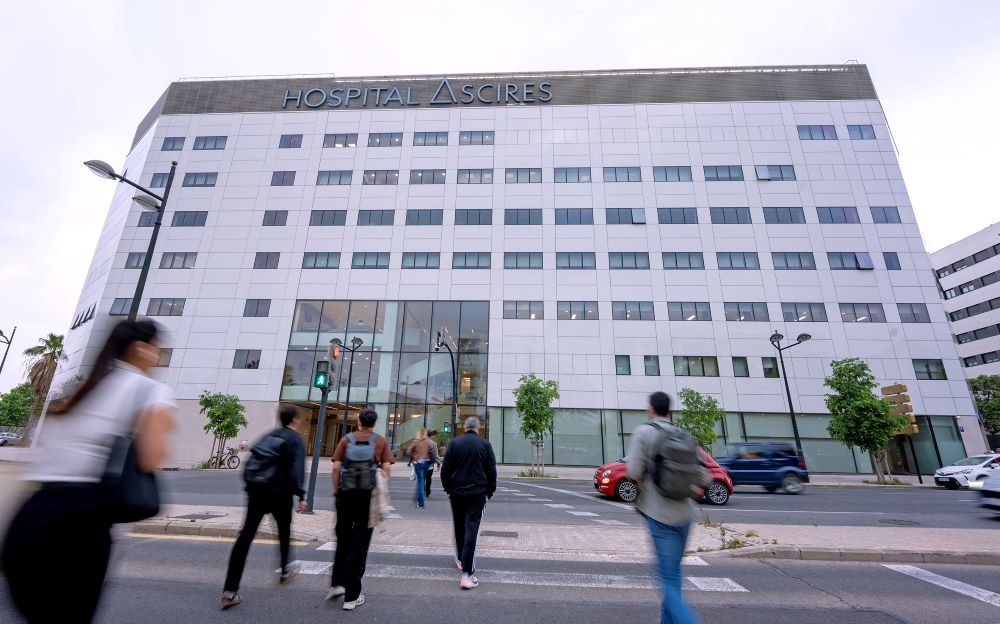
Now Available at Ascires Hospital Valencia
Ascires Grupo Biomédico was a pioneer in introducing Neuro-HIFU in Spain. The group implemented this treatment in 2019 at Ascires Universitats alongside the international creator of the technique, Dr. Andrés Lozano, Head of the Neurosurgery Department at the Toronto Western Hospital and Medical Advisor to Ascires.
“The advantage of this technique is that it achieves an instant and permanent effect that can be measured in real time, as the patient remains awake during the treatment and interacts with the medical team throughout the procedure,” explains Dr. Vicente Belloch, Scientific Director of the Imaging Department at Ascires and a key member of the group’s Neuro-HIFU team.