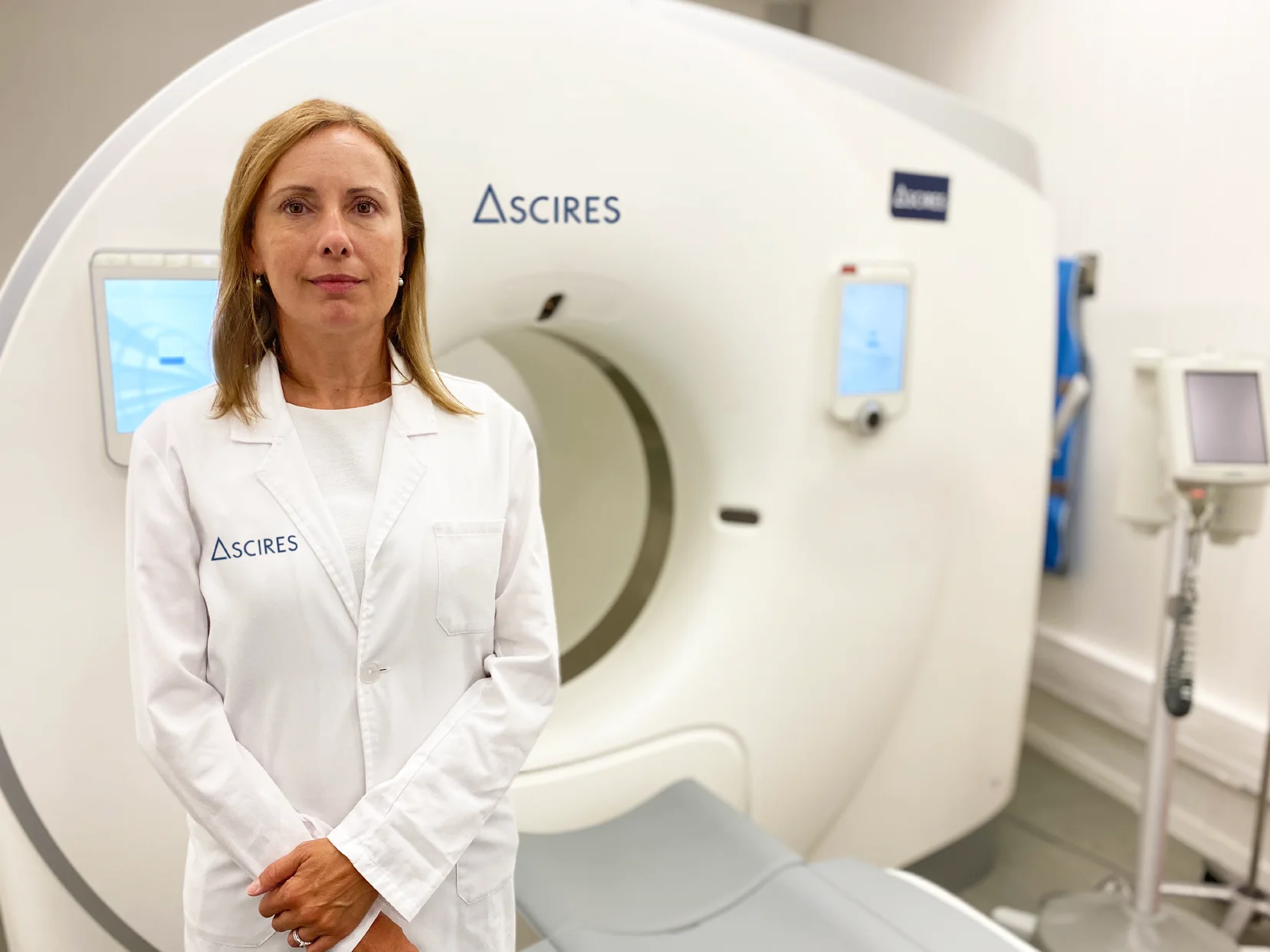
In Hospital Ascires, the Cardiology team offers you a highly precise diagnosis for the early detection and prevention of cardiovascular diseases, together with state-of-the-art minimally invasive treatments aimed at achieving a faster, safer and more effective recovery.
Leaders in advanced cardiovascular imaging in Valencia.
Comprehensive Cardiology Service in Valencia
We bring together specialists from all cardiovascular areas in collaboration with other specialties such as pulmonology and thoracic surgery.
In Valencia, our highly specialised cardiologists offer personalised care through monographic consultations focused on each pathology, such as sports cardiology, women’s cardiology, valvular heart disease and aorta, heart failure, coronary artery disease, and arrhythmias.
Our cardiologists in Valencia, supported by the highest-resolution diagnostic techniques, determine your condition with maximum precision and, when required, a multidisciplinary team establishes the most appropriate management plan.
The use of the most innovative techniques allows us to perform highly precise studies, as well as minimally invasive treatments with very fast recovery times, for patients with ischaemic heart disease and other cardiac conditions.
Our specialists apply the most advanced and innovative treatments for arrhythmias such as atrial fibrillation, ventricular and supraventricular arrhythmias, among others.
In our complete advanced echocardiography laboratory, 3 Tesla cardiac magnetic resonance and dual-source cardiac computed tomography, all techniques performed by cardiologists, we achieve the most accurate diagnoses of cardiac diseases.
Our commitment to patient care
Medical team
19 years working in cardiology departments at public and private centres at national and international level, with specific training in...
Extensive clinical and research experience in Cardiology Departments at national and international hospitals (Switzerland and Germany). Her research career has...
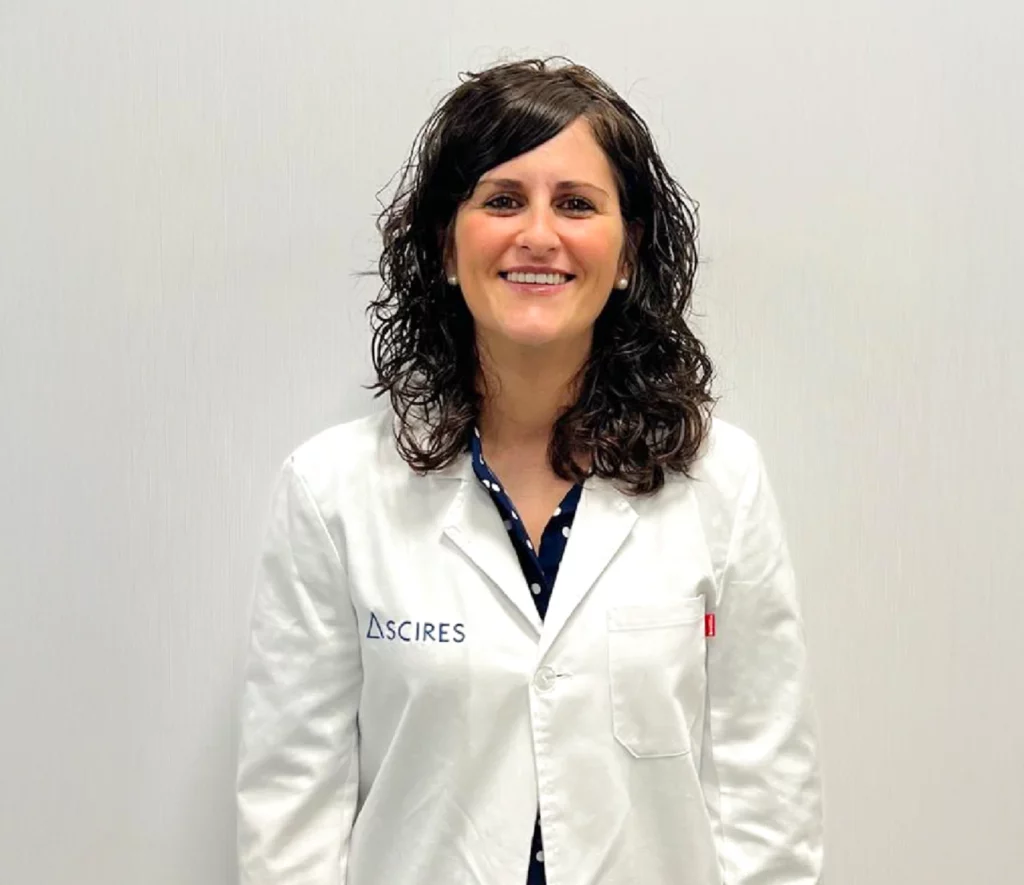
16 years working in cardiology departments at public and private centres, with extensive dedication to Cardiac Imaging (Cardiac MRI and...
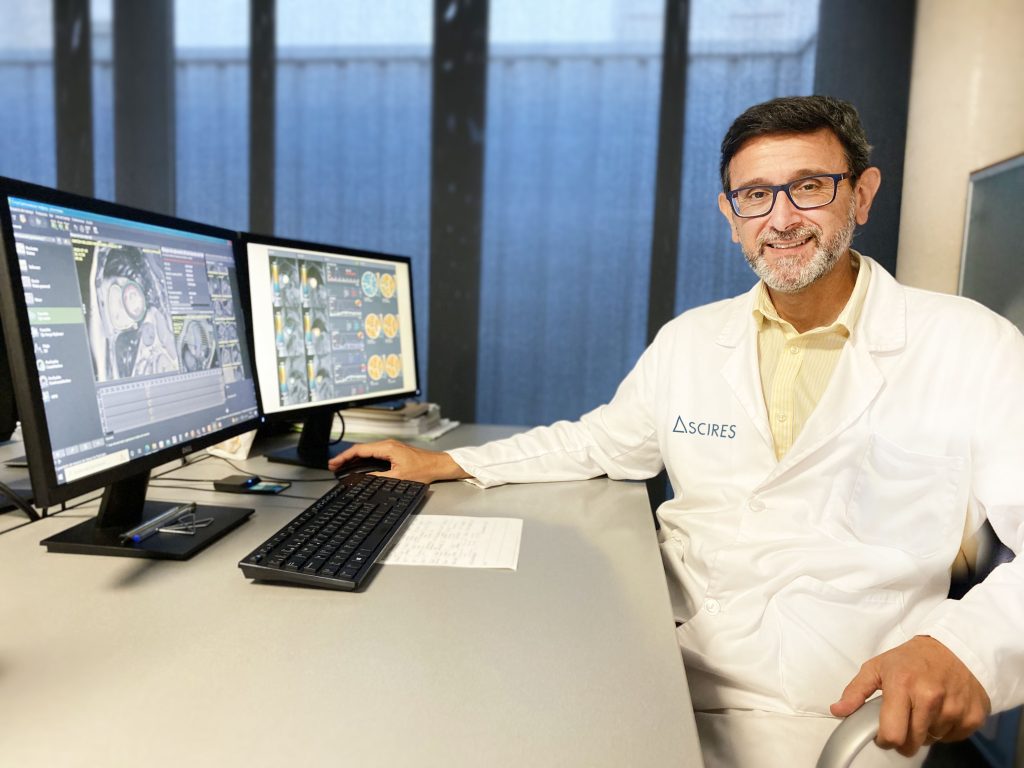
34 years of experience in various cardiology departments in the Valencian Community. With extensive experience in Cardiac Imaging, he holds...
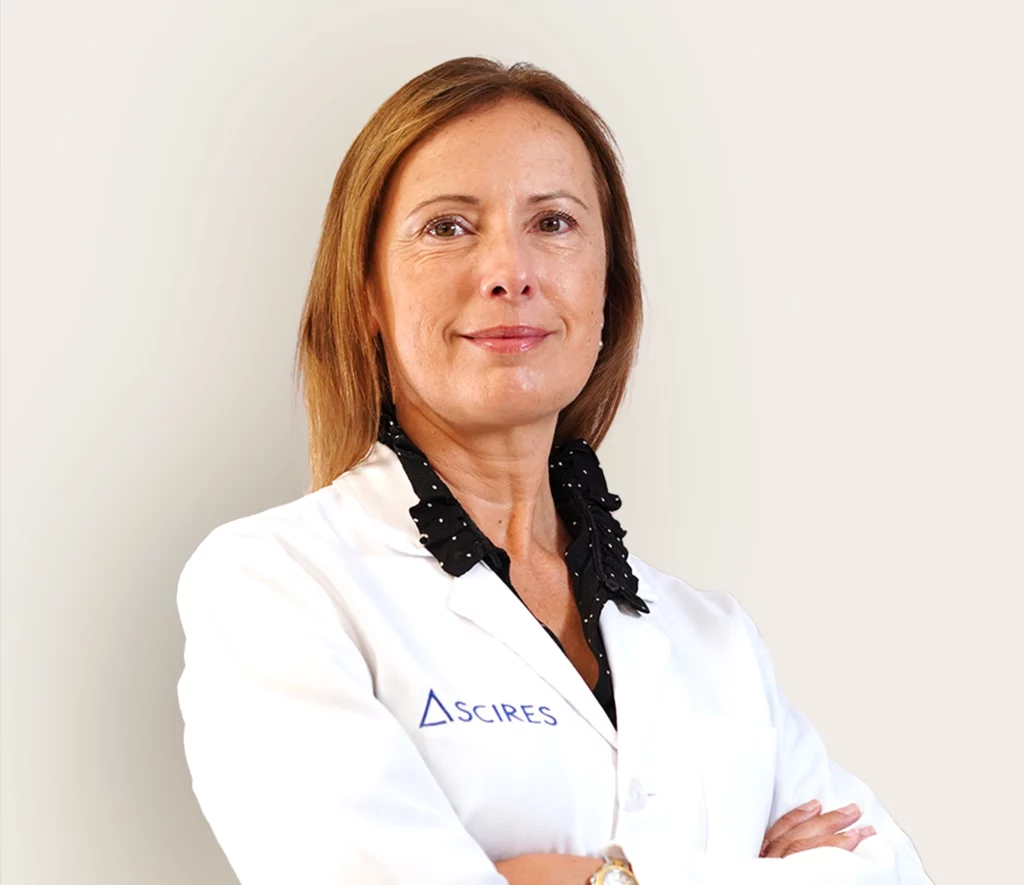
Medical Director of the Ascires Group and Head of the Cardiology Department, with 30 years of national and international experience...
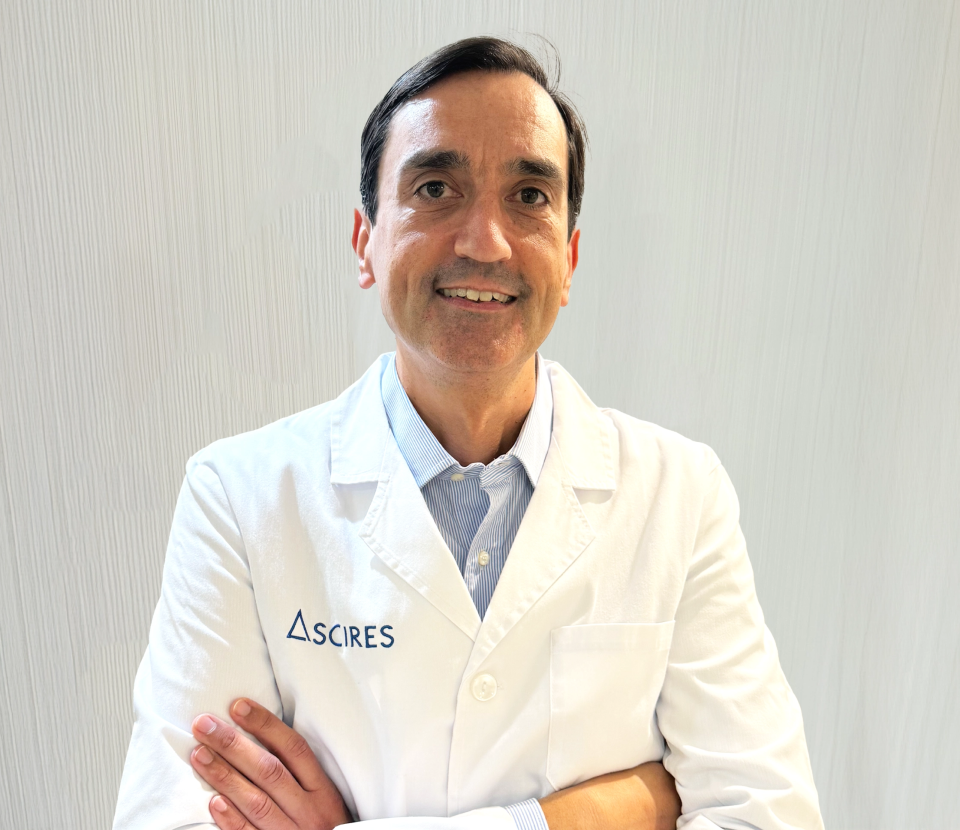
Consultant cardiologist and electrophysiology specialist at Ascires, with extensive experience and specialised training in physiological pacing, ventricular tachycardia and the...
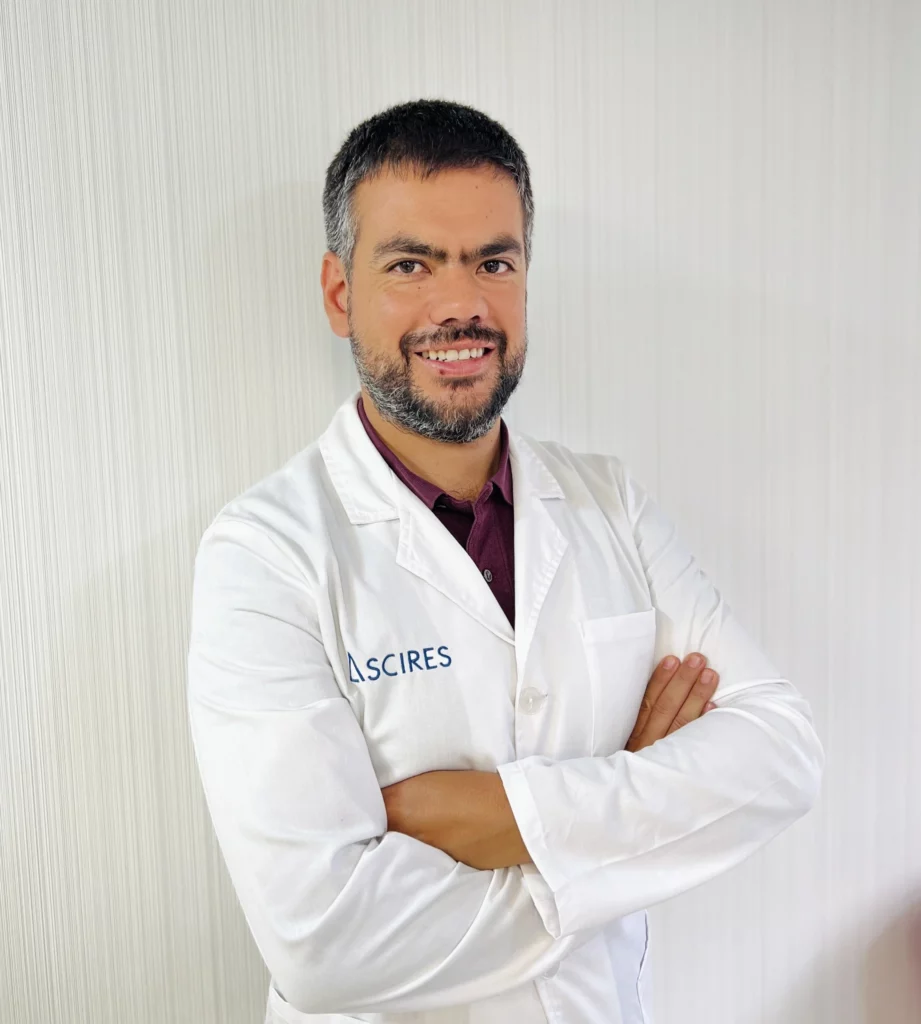
Consultant cardiologist specialising in haemodynamics and interventional cardiology, he holds a PhD awarded “cum laude” and has authored numerous publications...

Cardiologist specialized in multimodality cardiac imaging, with experience in advanced echocardiography, cardio-CT and cardiac magnetic resonance. He combines his clinical...
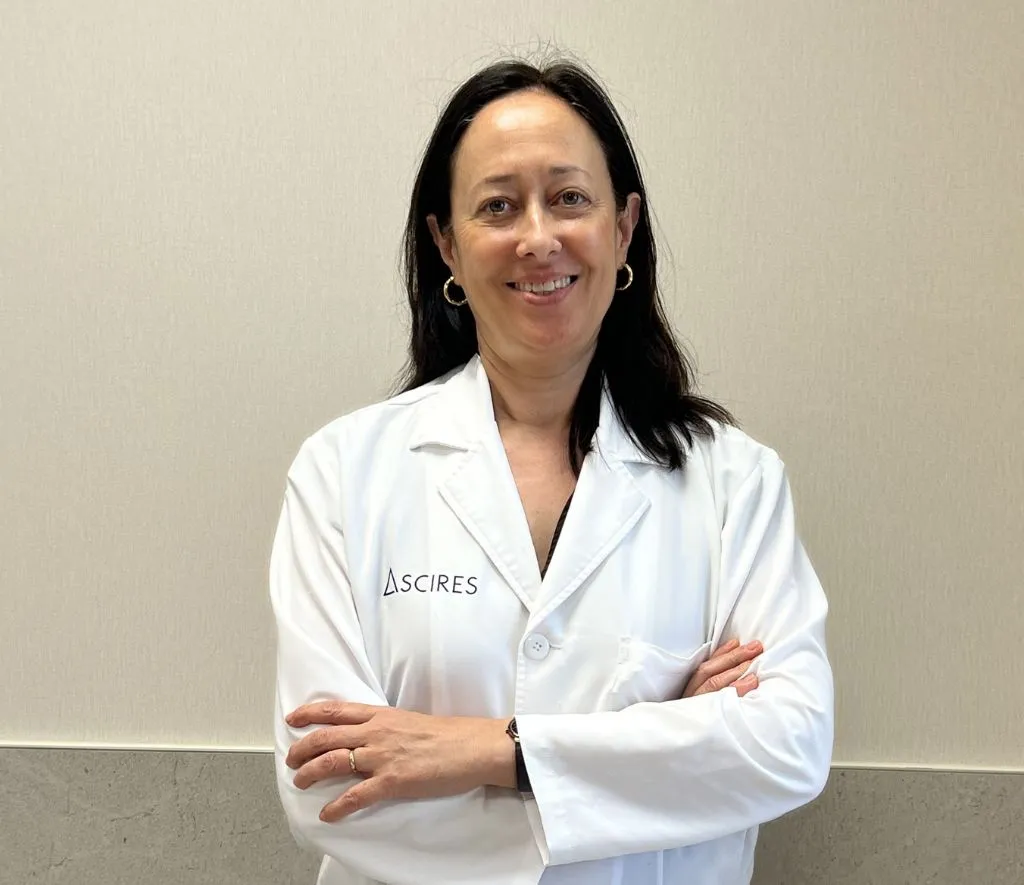
La Dra. María Pilar López Lereu es especialista en Cardiología e Imagen Cardíaca, con amplia experiencia en resonancia magnética cardíaca...

Related services
Useful Information
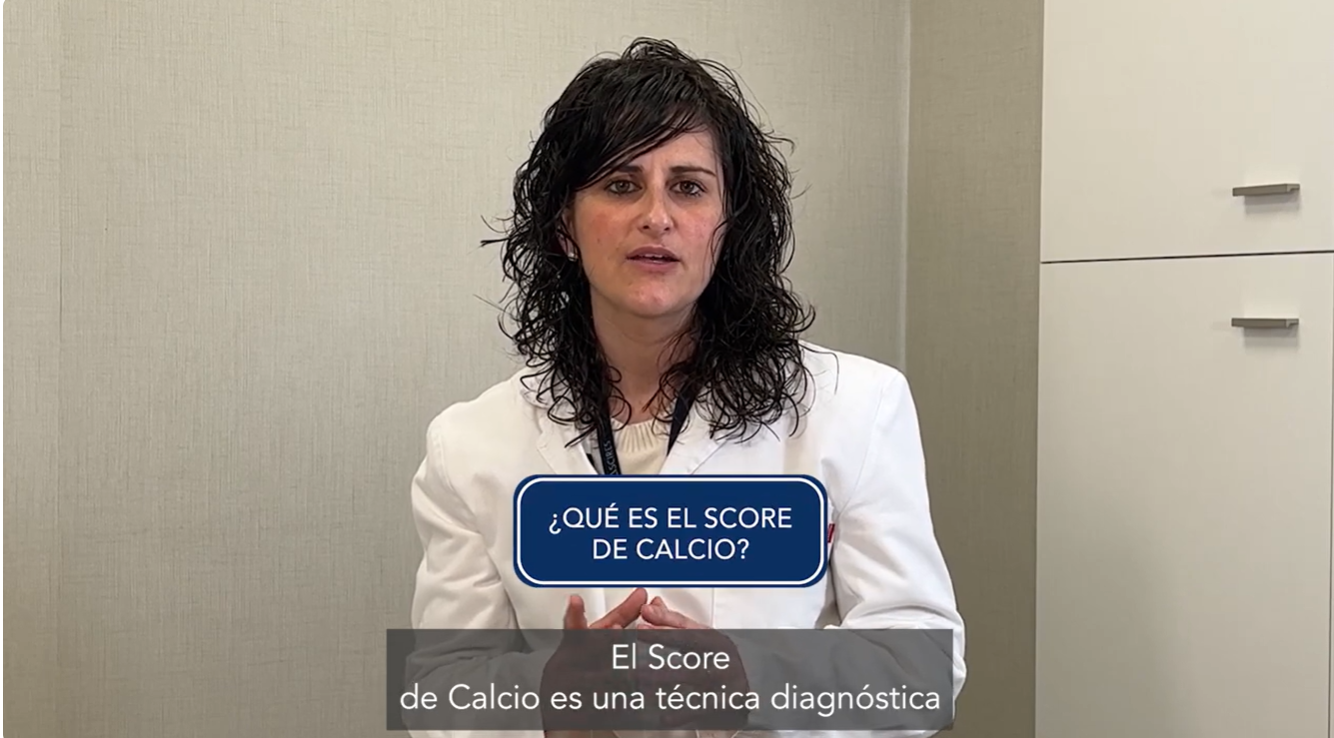
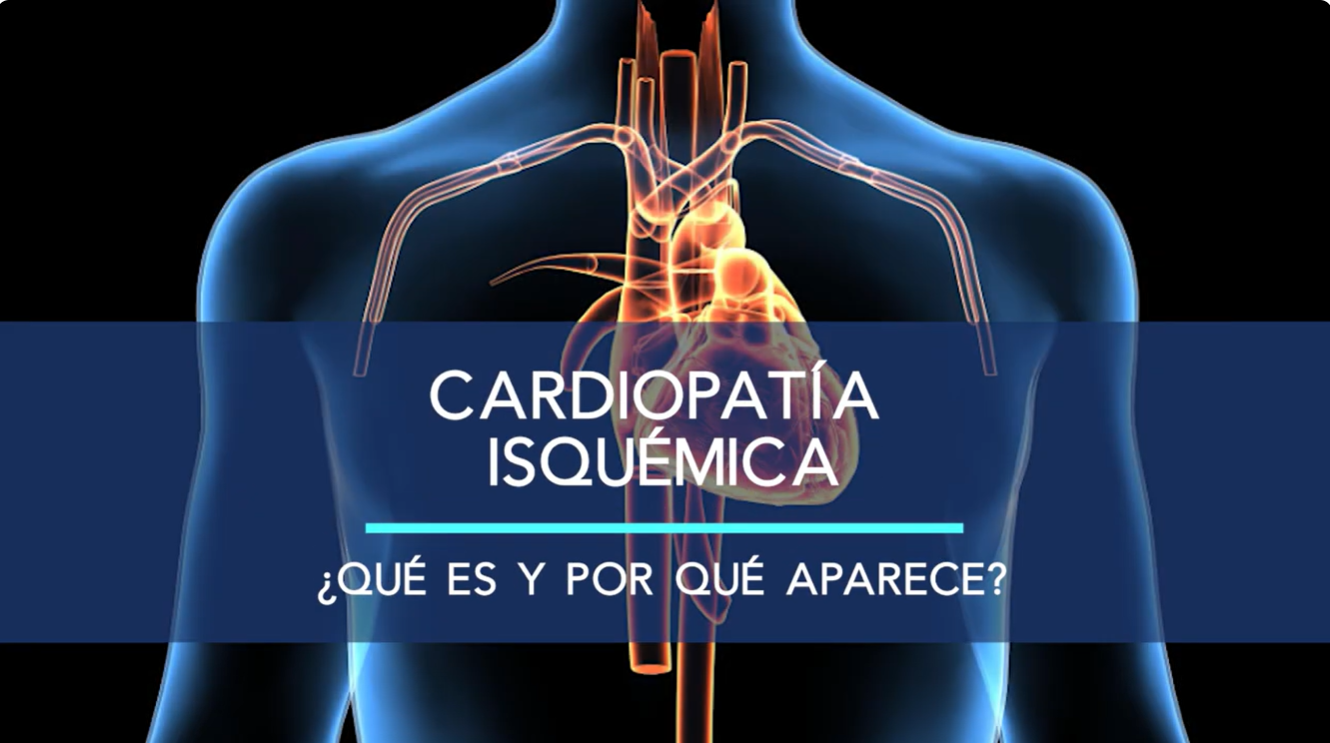
Learn from our team of cardiologists what ischaemic heart disease is and why it occurs. In addition, Dr. María Pilar García explains a non-invasive, quick and painless diagnostic test that allows cardiovascular risk to be assessed.
Ascires Centres with Cardiology
| Name | Address | Phone | |
|---|---|---|---|
| Castelló | |||
| Ascires Castelló | Dirección: Carrer de Betxí, 7, 12004 Castelló de la Plana, Castelló | Teléfono: 961 868 998 | Email: moc.sericsa@olletsac |
| Valencia | |||
| Ascires Campanar | Dirección: Radiodiagnostics: Marqués de San Juan, 6 y 4. Outpatient consultations: Avenida Campanar 116 València | Teléfono: 963 404 077 | Email: moc.sericsa@ranapmac |
| Ascires Gandia | Dirección: Av. d’Alacant, 123 – Nave 6 46702 – Gandia | Teléfono: 961 868 999 | Email: moc.sericsa@aidnag |
| Ascires Hospital | Dirección: Av. de les Tres Creus, 102, Patraix, 46014 València, Valencia | Teléfono: 963 873 050 | Email: moc.sericsa@latipsoh |
| Ascires Sagunto | Dirección: C/ Advocat Fausto Caruana, 11 46520 – Puerto de Sagunto | Teléfono: 961 868 991 | Email: moc.sericsa@tnugas |
| Ascires Xàtiva | Dirección: Ronda Séquia de la Vila, s/n, 46800 – Xàtiva | Teléfono: 963 404 344 | Email: moc.sericsa@avitax |
If you witness a cardiac arrest, it is very important to follow these steps:
Even if you have never performed CPR before, experts state that it is better to act than not to act, as this directly increases the chances of survival.
The symptoms of a myocardial infarction should not be ignored, even if they may seem subtle. Seek emergency medical help immediately.
It is important to know that not all people experience the same symptoms, and there are differences between symptoms in men and women.
Symptoms in men include:
The most common symptoms in women include:
In many cases, women tend to minimise their symptoms because they are not aware of the differences between symptoms in men and women. For this reason, it is essential to understand that any of the symptoms described may indicate a heart attack, and immediate medical attention should be sought.
Heart failure is a chronic and degenerative condition in which the heart does not pump blood as effectively as it should. As a result, it does not deliver enough oxygen and nutrients to the rest of the body.
The most common symptoms of heart failure are:
– Shortness of breath during activity or at rest
– Fatigue and weakness
– Fluid retention, which appears as swelling in the legs, ankles, feet and abdomen
– Very rapid weight gain due to fluid retention
– Fast and irregular palpitations
– Loss of appetite
– Confusion, light-headedness and dizziness. In some cases, fainting may also occur.
– A persistent dry cough or a cough producing white, pink or blood-tinged mucus
When heart failure is chronic, symptoms appear gradually and worsen over time.
However, when symptoms appear suddenly, the heart failure is acute, and the symptoms are severe from the outset.
As for the causes of heart failure, it is often related to a cardiovascular event, such as a myocardial infarction, angina pectoris, heart disease, valvular disease or atrial fibrillation, among other arrhythmias.
Heart failure cannot be cured, but it can be controlled to prevent its progression and improve the patient’s quality of life.
Firstly, there are measures to reduce risk factors, such as:
Additionally, cardiologists may prescribe pharmacological treatments depending on the severity of the heart condition.
Finally, patients with advanced heart failure may also be candidates for the implantation of certain devices:
Depending on the severity of the condition, travelling by plane with a cardiac disorder may be more or less safe. For this reason, it is essential to consult a cardiologist before flying, so they can assess your individual situation and provide personalised advice.
If the condition is mild, in general, you will be able to travel without problems. If you have severe angina, severe heart failure, or have recently had a myocardial infarction, your cardiologist will probably advise you to carry oxygen during the flight or may not recommend travelling.
In any case, we emphasise the importance of consulting a medical professional, ideally your cardiologist, who knows your medical history and can advise you in the most appropriate way.
After every five compressions, give one rescue breath using mouth-to-mouth resuscitation.