Interventional Cardiology (Haemodynamics)
At the Interventional Cardiology Unit (Haemodynamics) of Ascires in Valencia, we use the latest minimally invasive techniques for the diagnosis and treatment of heart diseases, both of the coronary arteries and the valves: Ischaemic Heart Disease, angina pectoris, aortic stenosis, mitral regurgitation, tricuspid regurgitation, patent foramen ovale, etc.
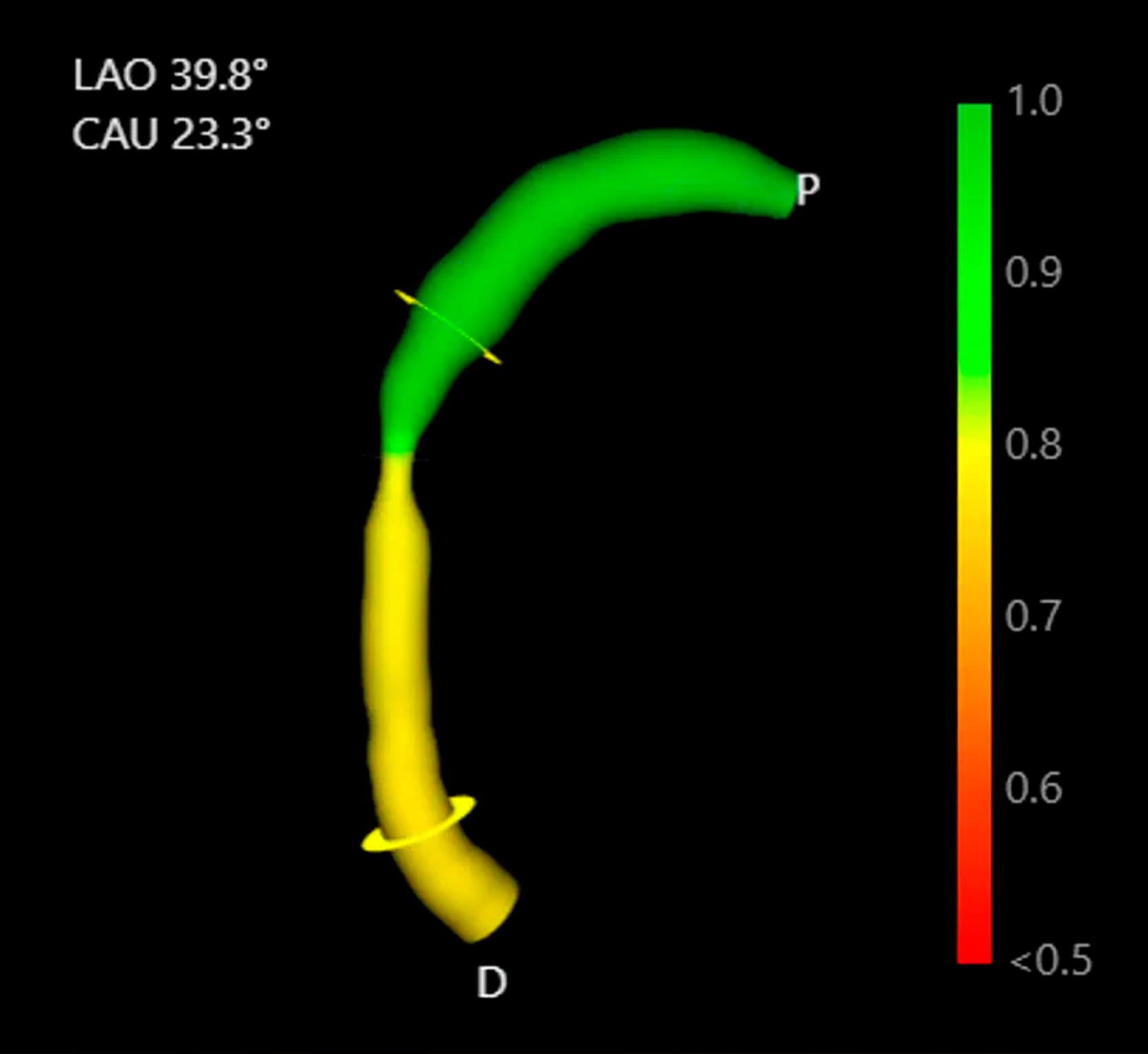
We are pioneers in Valencia in the measurement of coronary flow reserve by angiography (vFFR technique), a software solution that enables precise diagnosis of the need to treat coronary artery narrowings (stenosis), avoiding unnecessary treatment in non-indicated cases.
We are leaders in the application of the most advanced cardiovascular imaging techniques, enabling us to obtain high-quality images to support the definition, planning and real-time guidance of structural interventions, maximising the safety and outcomes of the procedure.
Our commitment to patient care

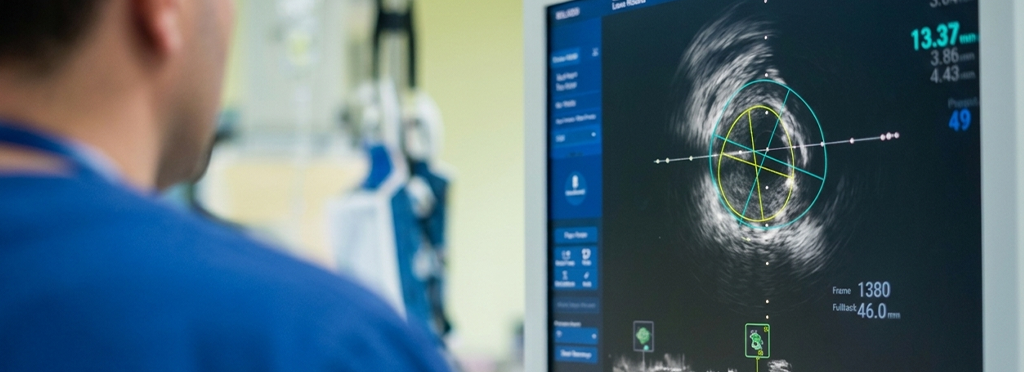
Diagnostic Precision with Intracoronary Imaging
Intravascular ultrasound (IVUS) and optical coherence tomography (OCT) are able to identify specific characteristics of coronary artery lesions, allowing the treatment to be defined with the highest level of precision.
Most Advanced Therapeutic Procedures
We diagnose and treat coronary artery obstructions using minimally invasive techniques, without the need for open surgery, by means of a catheter inserted through the wrist or groin.
In cases of narrowed or obstructed coronary arteries, stent implantation may be required. Using a catheter, we place a small metal mesh tube (the stent) to keep the artery open, with the aim of improving blood flow, relieving symptoms and reducing the risk of complications.
TAVI is an advanced technique that allows the replacement of a diseased aortic valve (aortic stenosis) using a minimally invasive approach. It is a treatment that offers the best outcomes in patients over the age of 70, as it does not require open surgery and enables a rapid recovery.
Through a catheter, a new valve is implanted inside the damaged valve, offering a less invasive alternative particularly indicated for certain patients with aortic stenosis.
Medical team
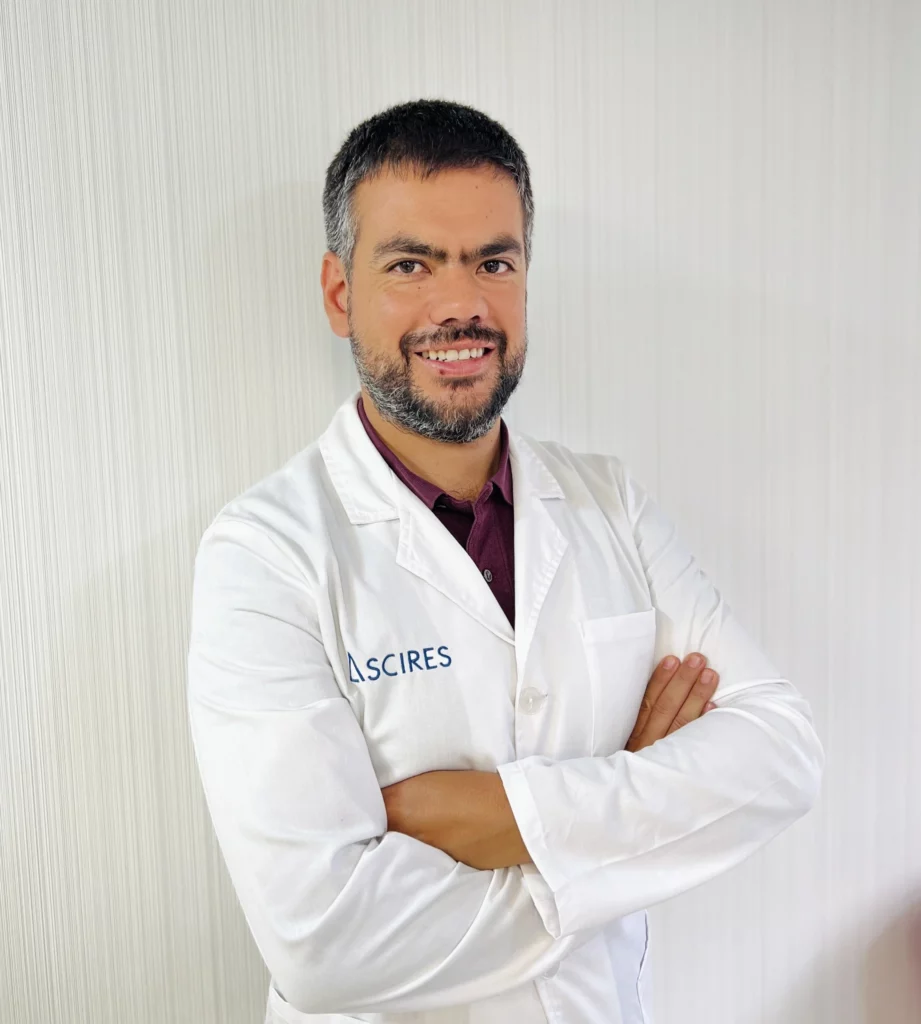
Consultant cardiologist specialising in haemodynamics and interventional cardiology, he holds a PhD awarded “cum laude” and has authored numerous publications...
Related services