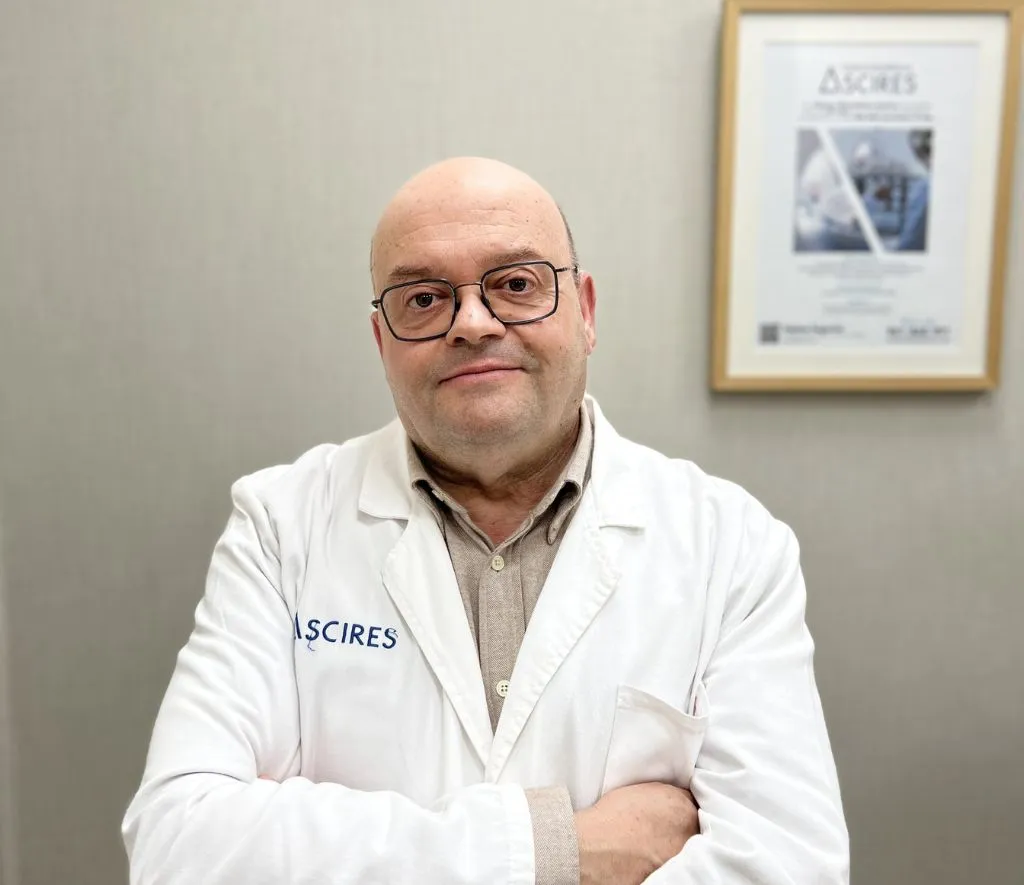
At the Orthopaedic Surgery and Traumatology Department at Ascires Hospital, we have extensive experience in providing personalised care for both children and adults through highly specialised units dedicated to the shoulder, spine, hip, hand, knee and foot.
With unique technological capabilities in Valencia and a multidisciplinary approach, we provide highly precise and effective diagnosis and treatment.
At Ascires, we provide comprehensive same-day care, including specialist consultation, imaging tests and results reporting.
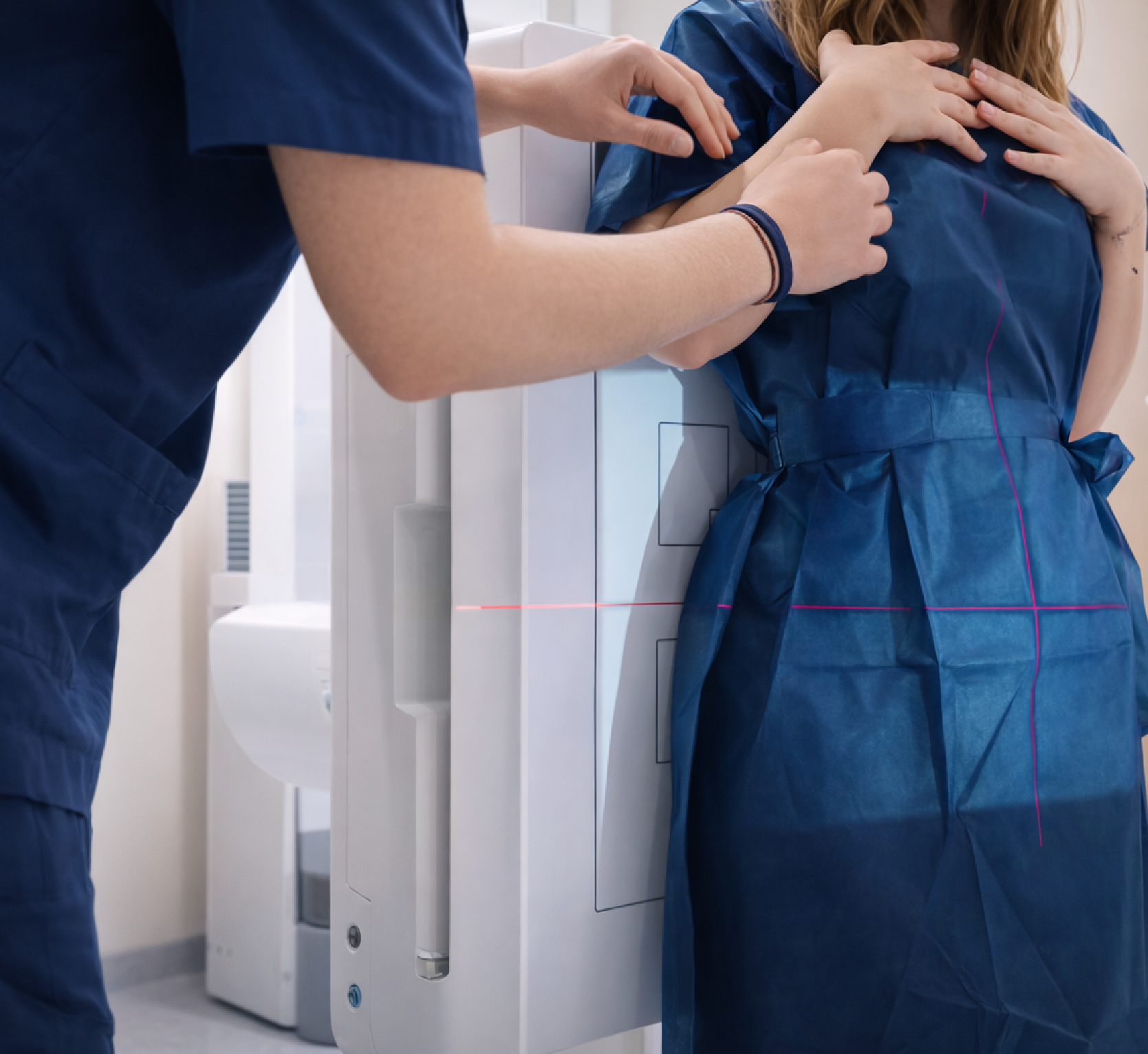
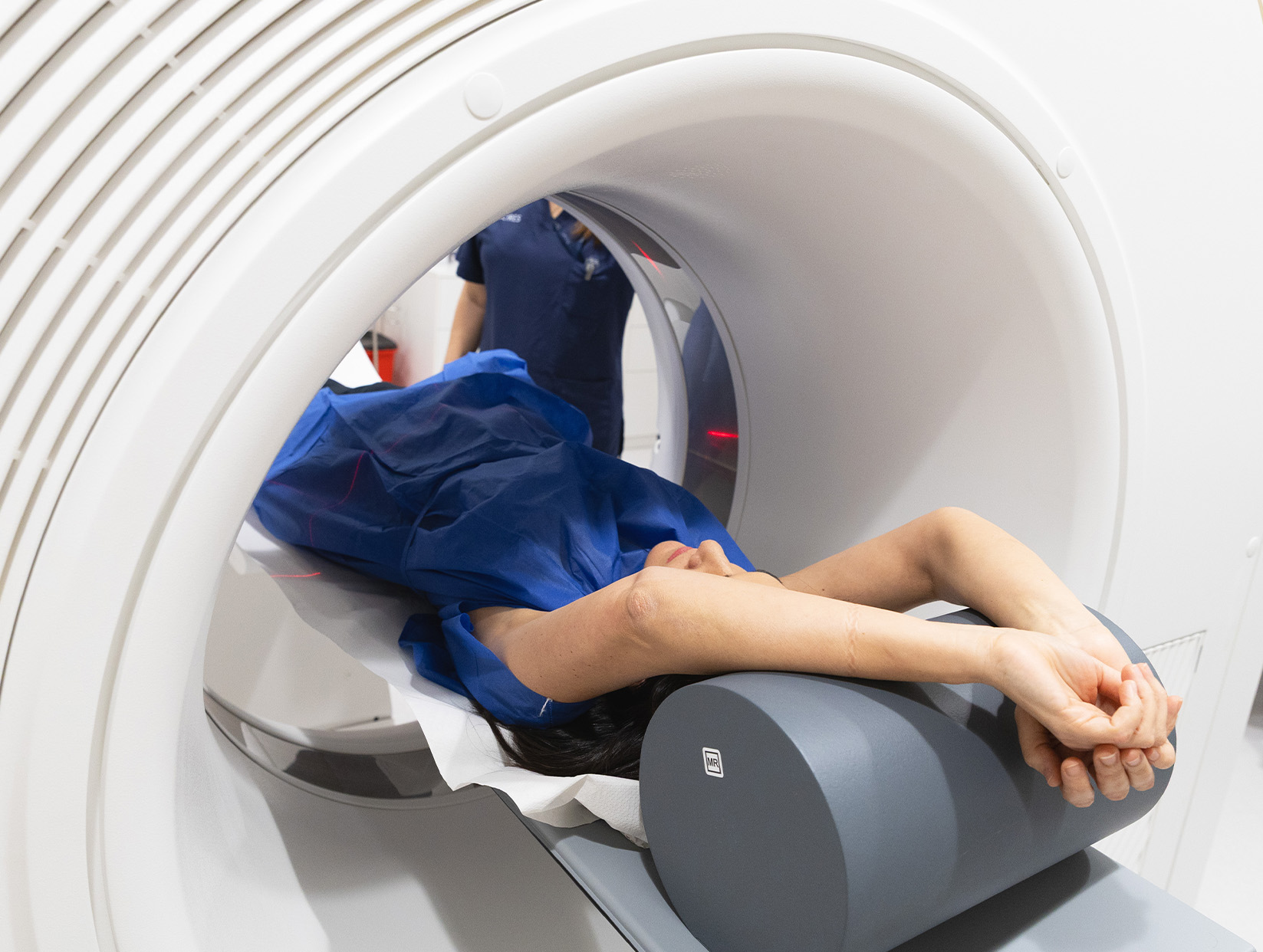
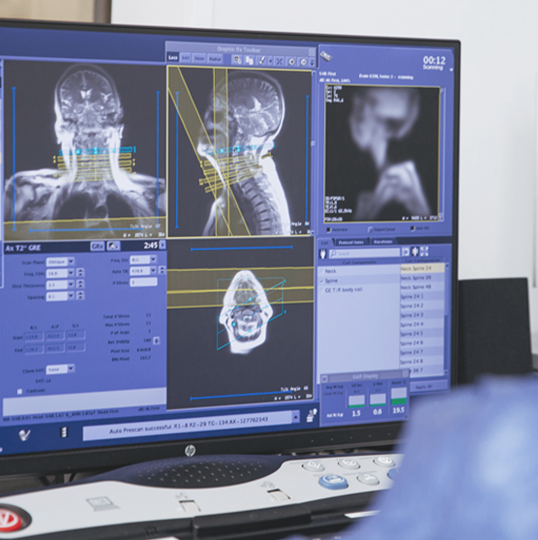
We offer access to all necessary imaging tests — including X-rays, 3 Tesla MRI, CT scans and ultrasound — within one of the most advanced and comprehensive Diagnostic Imaging departments, enabling highly precise diagnosis as well as carefully personalised treatments tailored to each patient.
Specialised multidisciplinary teams
Highly precise surgery
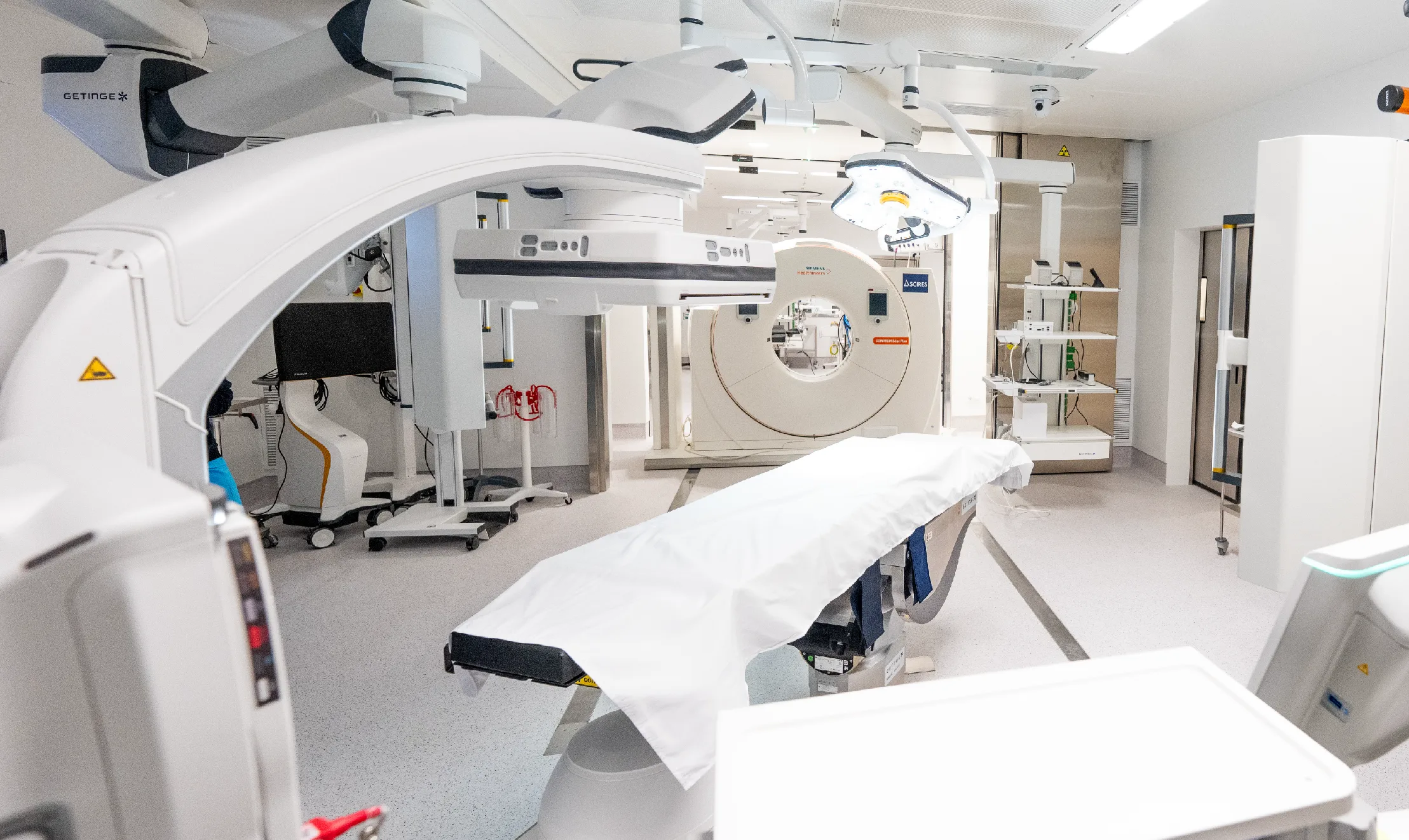
Intraoperative imaging with MRI and CT, together with robotic-assisted technology, enables surgery to be performed with the highest levels of patient safety:
Our commitment to patient care
The Orthopaedic Surgery and Traumatology Department is built upon three fundamental pillars: clinical care, teaching and research, always placing the patient at the centre of the process.
At Ascires, we are committed to continuous research and the development of new knowledge in orthopaedic surgery, cell therapy and musculoskeletal oncology, convinced that scientific innovation is the foundation for providing medical excellence.
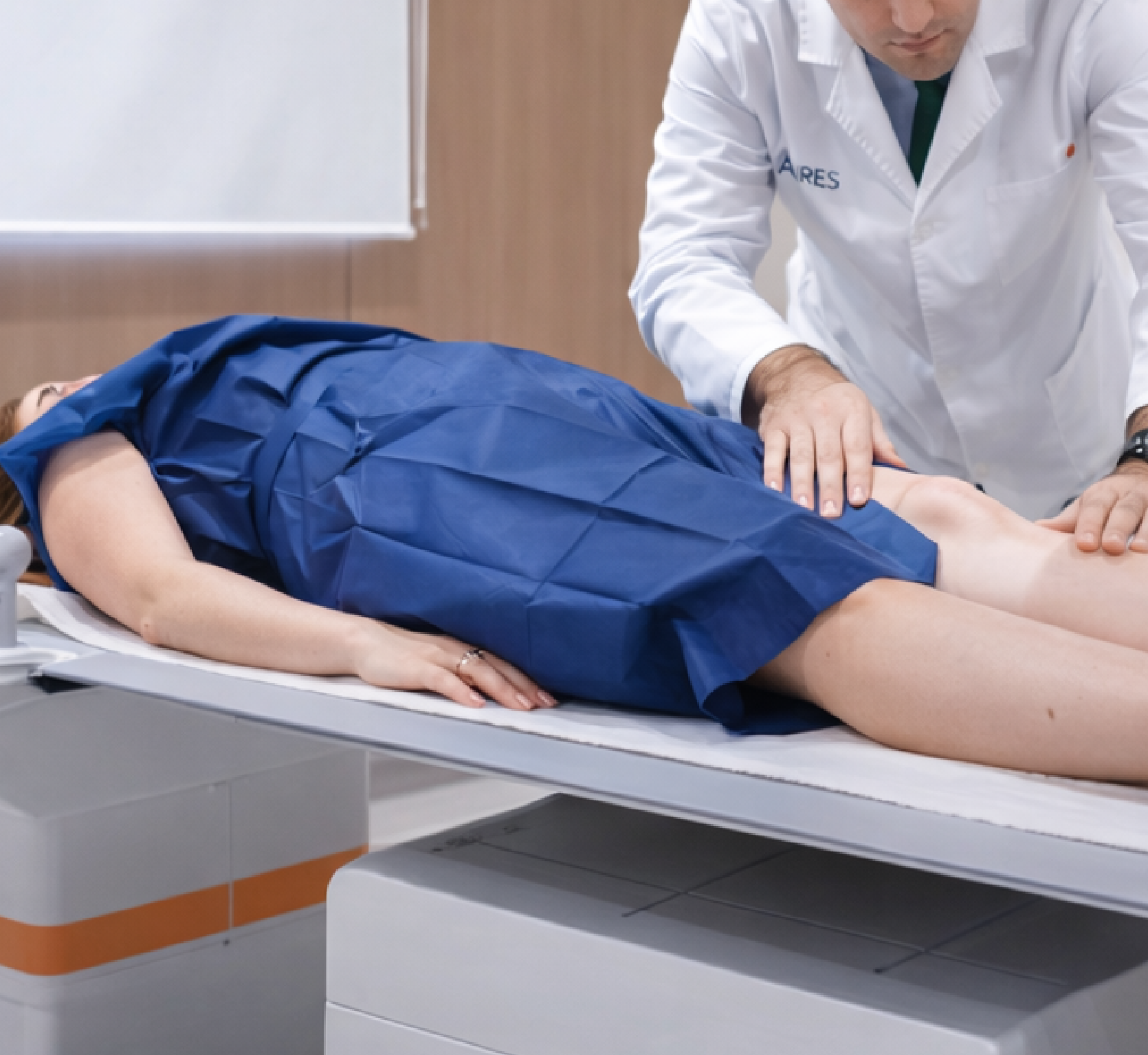
Medical team
The Orthopaedics and Trauma Surgery Department at Hospital Ascires in Valencia is built on three pillars: clinical care, teaching and research, always placing the patient at the centre of the process.
At Ascires, we are committed to continuous learning and the development of new knowledge in orthopaedic surgery, cell therapy and musculoskeletal oncology, convinced that scientific innovation is the foundation for delivering medical care of the highest standard.

José Mª Lamo de Espinosa is a physician specialised in Orthopaedic Surgery and Traumatology, with more than 15 years of...
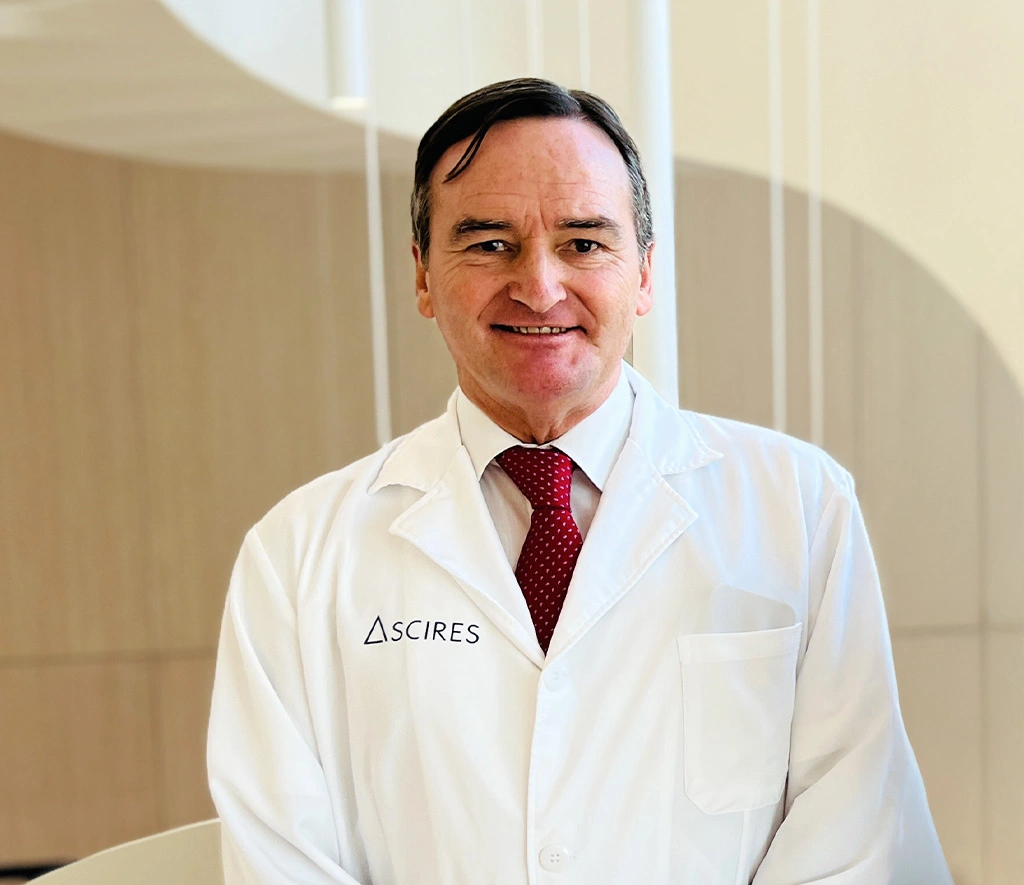
Dr Mikel San Julián Aranguren is a specialist in Orthopaedic Surgery and Traumatology, with a particular focus on bone and...
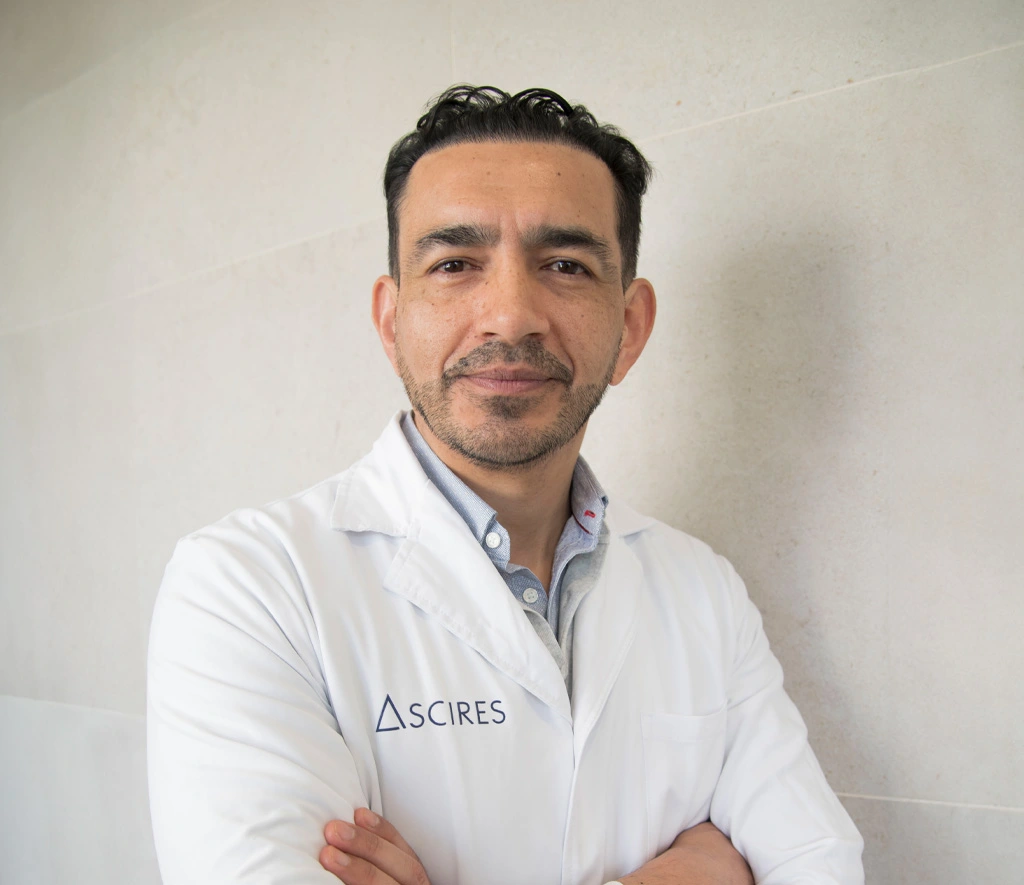
Dr. Edwin Velásquez is a surgeon specializing in Orthopedic Surgery and Traumatology at Hospital Ascires. He is an expert in...
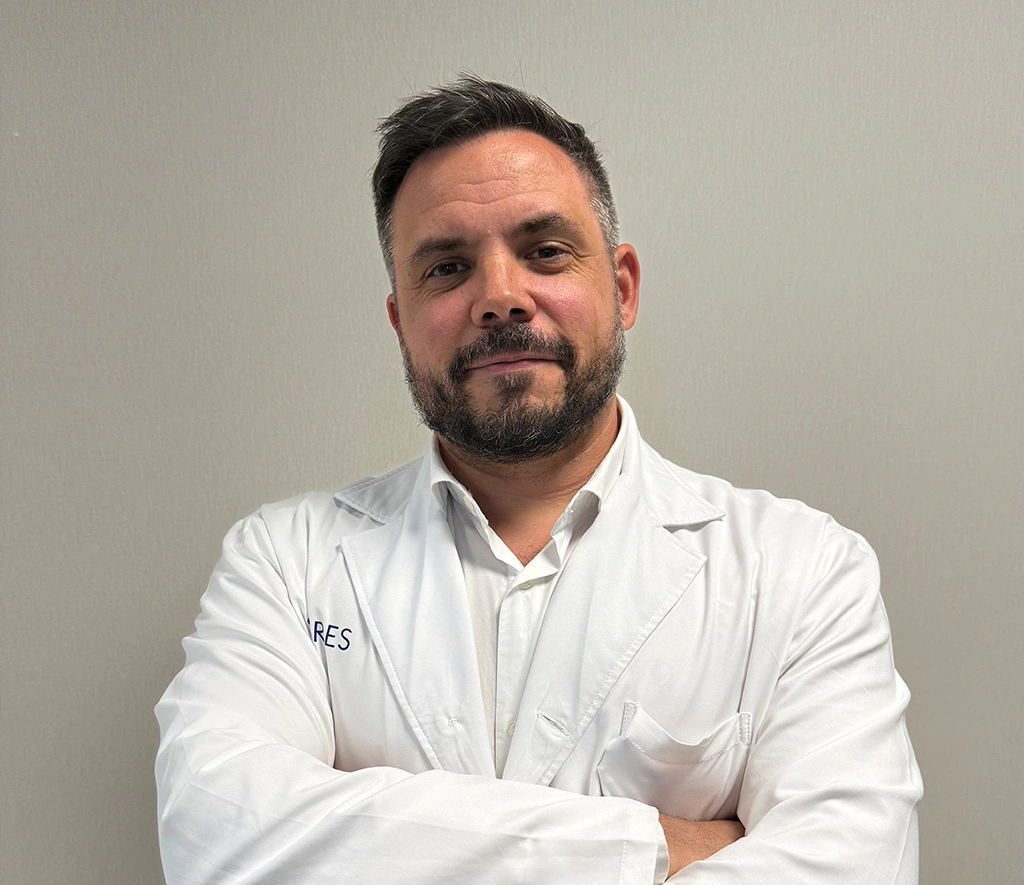
Dr. Miguel Garcés Hernández is a physician specializing in Orthopaedic Surgery and Traumatology, with more than 12 years of clinical...
Conservative treatments
At Ascires, we offer a wide range of injection treatments tailored to each patient’s needs:
We use high-concentration PRP technology, allowing treatment to be administered in a single dose, unlike conventional systems that require three doses. Used to stimulate tissue repair and reduce inflammation in cases such as:
Aimed at improving joint mobility and reducing pain in cases of mild to moderate osteoarthritis, including knee, hip, shoulder and ankle osteoarthritis, among others.
Corticosteroid injections help relieve pain and inflammation in cases of:
Tratamientos avanzados para patología benigna
As part of Ascires’ commitment to offering the most advanced treatments for complex conditions, we provide low-dose radiotherapy for benign disorders and chronic enthesopathies that do not respond to conventional treatments, such as plantar fasciitis, epicondylitis or insertional tendinopathies.
Low-dose radiotherapy works by reducing inflammation and pain, with a high safety profile and no significant side effects. The treatment is performed on an outpatient basis, through short and well-tolerated sessions, helping to improve the quality of life of patients with persistent pain.
The specialist assesses the indication for this treatment on an individual basis and through a multidisciplinary approach, selecting those cases in which it may provide real benefit.
Most common conditions
We offer minimally invasive techniques for the treatment of sarcomas and musculoskeletal tumours, including cryoablation, radiofrequency ablation and acetabuloplasty.

Other Clinics with Orthopedic Surgery and Traumatology
| Name | Address | Phone | |
|---|---|---|---|
| Castelló | |||
| Ascires Castelló | Dirección: Carrer de Betxí, 7, 12004 Castelló de la Plana, Castelló | Teléfono: 961 868 998 | Email: moc.sericsa@olletsac |
| Valencia | |||
| Ascires Campanar | Dirección: Radiodiagnostics: Marqués de San Juan, 6 y 4. Outpatient consultations: Avenida Campanar 116 València | Teléfono: 963 404 077 | Email: moc.sericsa@ranapmac |
| Ascires Gandia | Dirección: Av. d’Alacant, 123 – Nave 6 46702 – Gandia | Teléfono: 961 868 999 | Email: moc.sericsa@aidnag |
| Ascires Hospital | Dirección: Av. de les Tres Creus, 102, Patraix, 46014 València, Valencia | Teléfono: 963 873 050 | Email: moc.sericsa@latipsoh |
| Ascires Sagunto | Dirección: C/ Advocat Fausto Caruana, 11 46520 – Puerto de Sagunto | Teléfono: 961 868 991 | Email: moc.sericsa@tnugas |
| Ascires Xàtiva | Dirección: Ronda Séquia de la Vila, s/n, 46800 – Xàtiva | Teléfono: 963 404 344 | Email: moc.sericsa@avitax |
Osteoarthritis is the degeneration of the cartilage that covers the joints, causing pain, stiffness and reduced mobility. It commonly affects the knees, hips and hands. Treatment may include physiotherapy, medication, injections and, in more advanced cases, joint replacement surgery.
Hip replacement surgery is one of the most successful procedures in medicine, with very high success rates when performed by experienced specialists. Osteoarthritis is not something patients should simply learn to live with; effective solutions are available, and earlier treatment is often associated with better outcomes.
Knee injuries, such as meniscus or anterior cruciate ligament tears, often occur during sports activities. Depending on the severity, they are treated with physical therapy or minimally invasive arthroscopic surgery to repair or reconstruct the affected tissues.
Plantar fasciitis is an inflammation of the tissue that connects the heel to the toes. It causes pain when resting the foot, especially when standing up. Treatment usually includes stretching exercises, customized insoles, physiotherapy and, in stubborn cases, infiltrations.
Knee pain without trauma may be due to overuse, cartilage wear and tear (osteoarthritis), tendon inflammation or meniscal injury. A medical examination and imaging tests are important to determine the exact cause and apply the appropriate treatment.
No. Tingling or numbness in the hands may be a sign of carpal tunnel syndrome or other nerve compression. If the symptom persists or intensifies, it is advisable to see a traumatologist for a diagnosis and to avoid permanent nerve damage.
When pain is present in the groin, associated with limited mobility, the hip should be studied. In the adult patient, hip joint pathology (necrosis or osteoarthritis) are usually the main causes of pain at that level.
You should consult if the back pain is persistent, radiates to legs or arms, limits your activities or does not improve with rest. Also if it appears after an effort, fall or accident. It may be related to lumbar disc disease, facet arthrosis or disc herniation when it radiates to the leg. The specialists within the Spine Unit will assess whether conservative treatment, physiotherapy or surgery is required, tailoring the approach to each individual case.
In the event of a fracture, it is essential to immobilise the affected area and seek urgent medical attention or assessment by a trauma specialist. Treatment will depend on the type of fracture and may involve a cast, splint or surgery using plates, screws or rods to stabilise the bone and support recovery.
Knee replacement surgery is usually recommended when pain and functional limitation caused by osteoarthritis or other joint conditions do not improve with conservative treatments such as physiotherapy, medication or injections. The aim of the procedure is to relieve pain, restore mobility and improve the patient’s quality of life.
Modern joint replacements are designed to be highly durable. In most cases, a hip or knee replacement can last between 15 and 25 years or longer, depending on factors such as the patient’s age, activity level and joint care. Technological advances have significantly improved the durability and biocompatibility of the materials used.
Recovery following joint replacement surgery usually begins on the same day or the day after the procedure, with early mobilisation and physiotherapy. Most patients are able to walk with assistance within a few days and return to everyday activities within a few weeks. Following the rehabilitation programme and medical recommendations is essential for achieving a fast and safe recovery.
Find out more about our enhanced recovery programmes led by the specialised team at the Ascires Joint Replacement School.
Shoulder pain may be caused by rotator cuff injuries, tendinitis, bursitis or osteoarthritis. The trauma specialist will assess the condition using imaging tests and may recommend conservative treatment with physiotherapy, injections or arthroscopic surgery in cases involving tears or structural damage.
Limb sarcomas are rare tumours that can originate in bones or soft tissues such as muscles, fat or blood vessels. Their treatment is often complex and requires an individualised approach combining surgery and, in some cases, additional treatments such as chemotherapy or radiotherapy.
Sarcoma surgery is highly complex, as the aim is not only to completely remove the tumour, but also to preserve limb function as much as possible.
For this reason, it is essential that the procedure is performed by surgeons with specific expertise in musculoskeletal oncology. In our case, the specialists are members of the EMSOS (European Musculo-Skeletal Oncology Society), a distinction held by very few surgeons in Spain, reflecting a high level of specialisation and experience in this type of surgery.
In addition, their expertise is supported by extensive scientific activity, including numerous international publications and participation in specialised congresses and lectures, placing them at the forefront of the treatment of these tumours.
In the vast majority of cases today, limb-sparing surgery can be performed thanks to advances in surgical techniques, preoperative planning and intraoperative imaging.
Amputation is only considered in very specific situations. The primary objective is always oncological control of the tumour while preserving the highest possible level of limb function.
Each case is assessed individually by a multidisciplinary team including orthopaedic surgeons, medical and radiation oncologists, radiologists, pathologists and other specialists.
This coordinated approach makes it possible to:
Interdisciplinary coordination is one of the key factors in achieving successful outcomes in complex conditions.
At Ascires Hospital, procedures are performed in an environment designed for maximum precision, in some cases supported by the hybrid operating room, which integrates advanced imaging techniques — including intraoperative MRI and CT — together with robotic-assisted systems.
This allows for:
Our centre stands out for:
An osteoid osteoma is a benign bone tumour, relatively common in young patients, which typically causes intense pain, characteristically at night, and usually improves with anti-inflammatory medication.
Although it is benign, it can significantly affect quality of life, making accurate diagnosis and appropriate treatment essential.
The diagnosis of osteoid osteoma is based on a combination of clinical history and imaging tests.
Bone scintigraphy using specialised software for the specific detection of these lesions (X-Bone), together with its integration with CT imaging, is essential, as it allows precise identification of the “nidus” (the tumour core), which is fundamental for treatment planning. At our centre, the use of advanced technology and artificial intelligence supports the early and accurate detection of these lesions.
Currently, the treatment of choice is CT-guided percutaneous ablation, a minimally invasive technique that enables highly precise removal of the tumour without the need for open surgery.
This procedure involves inserting a needle directly into the lesion under imaging guidance in order to resect the nidus, obtain samples for pathological analysis and, using heat-based techniques such as radiofrequency ablation, completely eliminate the lesion.
Recovery is usually rapid. In a high percentage of patients, pain disappears on the same day as the treatment.
As this is a percutaneous technique:
CT-guided percutaneous treatment offers multiple benefits:
Cryoablation is a minimally invasive technique that allows tumour lesions to be destroyed through osmotic shock generated by the transition from extreme cold to warm saline solution.
The procedure involves inserting one or more probes (cryoprobes) into the lesion, guided precisely by fluoroscopy or CT imaging, generating very low temperatures that produce controlled destruction of the tumour tissue. Afterwards, temperature contrast is applied using warm saline solution, causing tumour cell rupture through a process known as osmotic shock.
Cryoablation is particularly indicated for benign or low-grade bone tumours, especially those with a risk of recurrence or requiring highly precise treatment while preserving bone structure and joints as much as possible, such as chondroblastomas, atypical cartilaginous tumours or enchondromas.
It is an effective alternative that, in selected cases, offers a lower risk of recurrence compared with conventional curettage and bone grafting surgery.
The effectiveness of cryoablation depends largely on accurate planning and precision in the delivery of the treatment.
It is essential to precisely control the freezing area in order to ensure complete destruction of the lesion while minimising damage to healthy tissues, particularly in areas close to joints or sensitive structures.
At our centre, these procedures are performed by specialists with extensive experience in musculoskeletal conditions, within a multidisciplinary environment that enables personalised decision-making, supported by operating theatres equipped with the full range of advanced imaging technology.
In addition, the team has a strong scientific background, with international publications and participation in specialised congresses, ensuring the use of the most advanced techniques.
Our centre stands out for: