Specialists with extensive experience in managing complex and drug-resistant epilepsy provide our patients with an accurate diagnosis and the most appropriate treatment for each case.
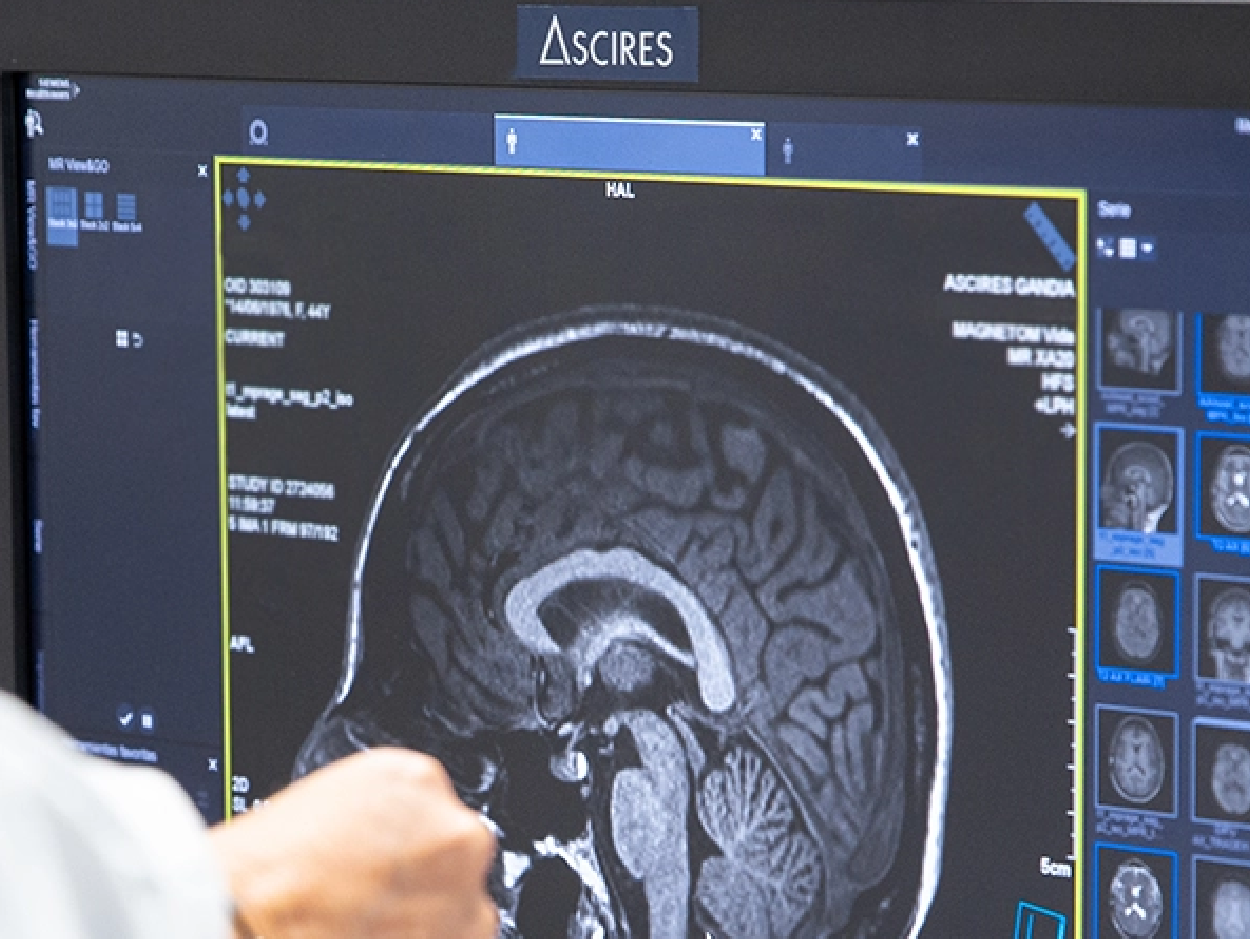
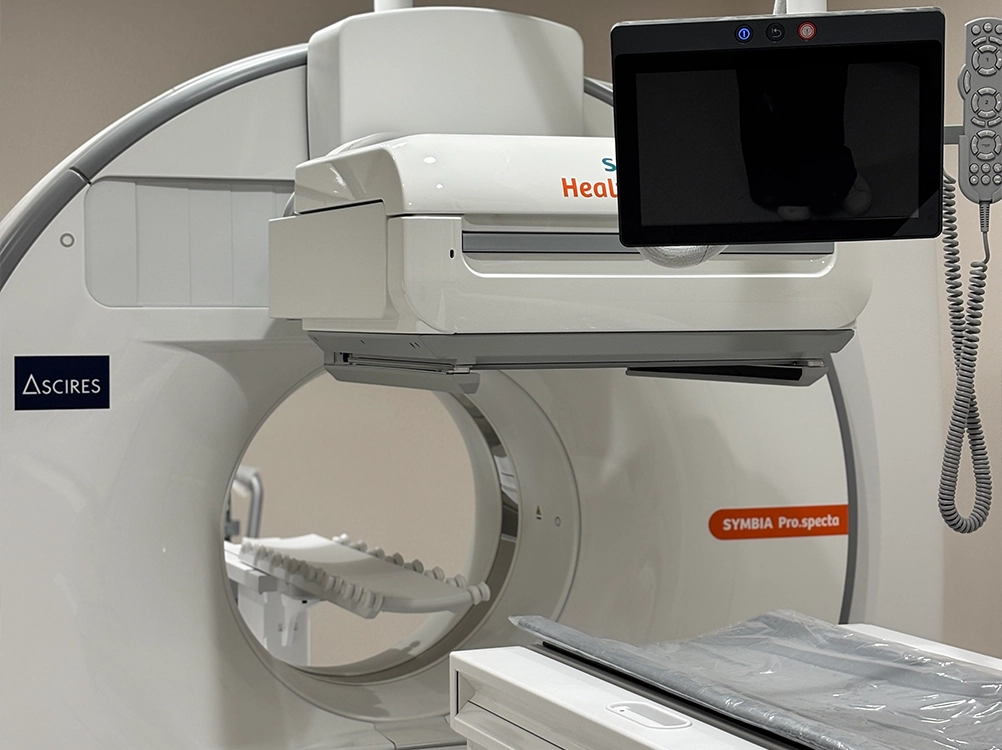
The epilepsy unit is supported by a multidisciplinary team comprising neurologists and neurosurgeons of international prestige, as well as radiologists, nuclear medicine physicians and biotechnologists specialised in the most complex cases.
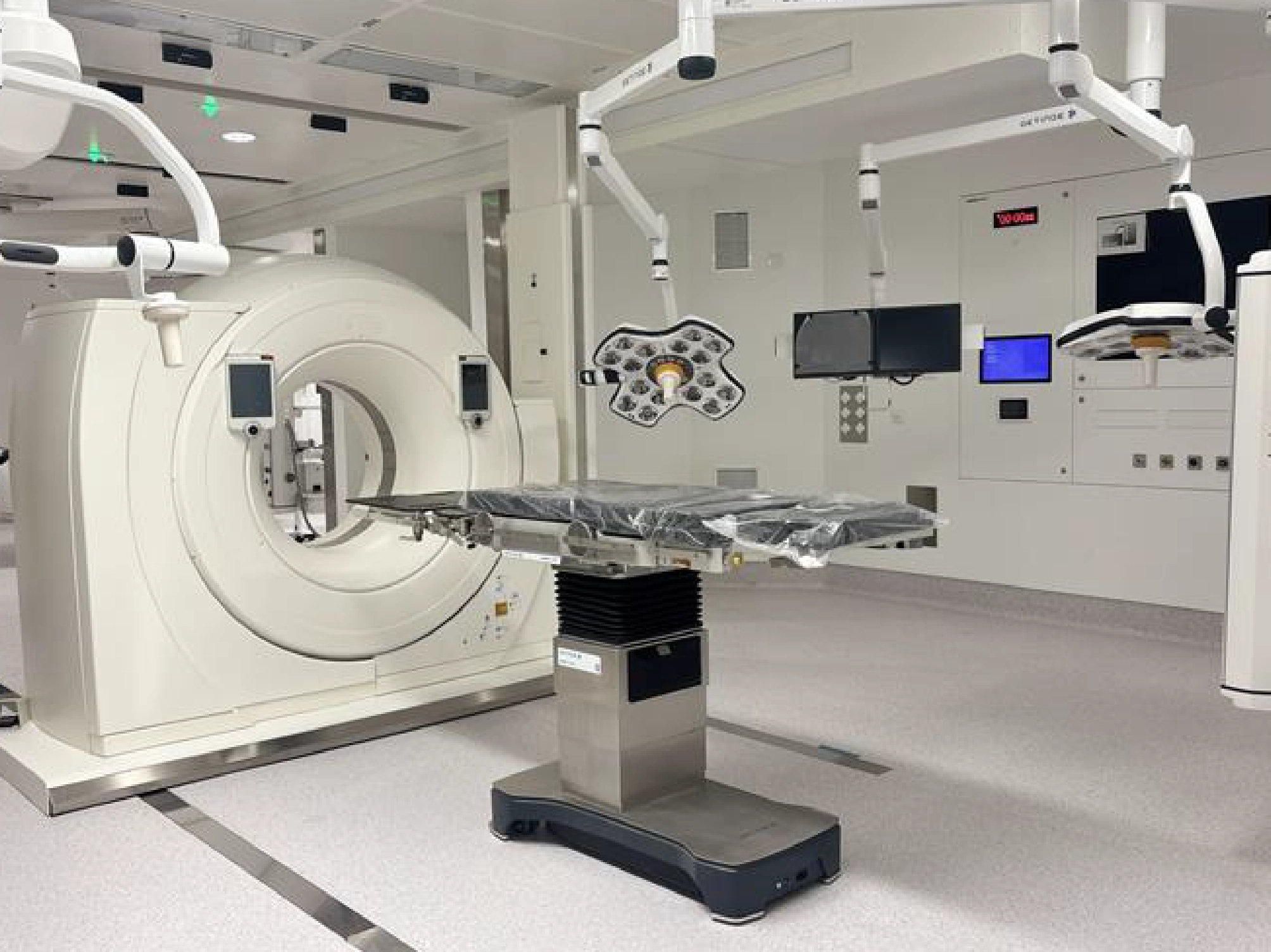
Together, they design a diagnostic and therapeutic plan that includes the most innovative technologies, such as 5-day minimally invasive video-EEG monitoring—safer and more precise—supported by the only operating theatre in Europe with MRI and CT, offering the highest possible precision in its procedures. Operating theatre available in phase 2 of opening
What sets our Epilepsy Unit apart
The specialised Epilepsy Unit at Ascires Hospital is equipped and prepared to treat even the most complex cases, providing comprehensive care for each patient.
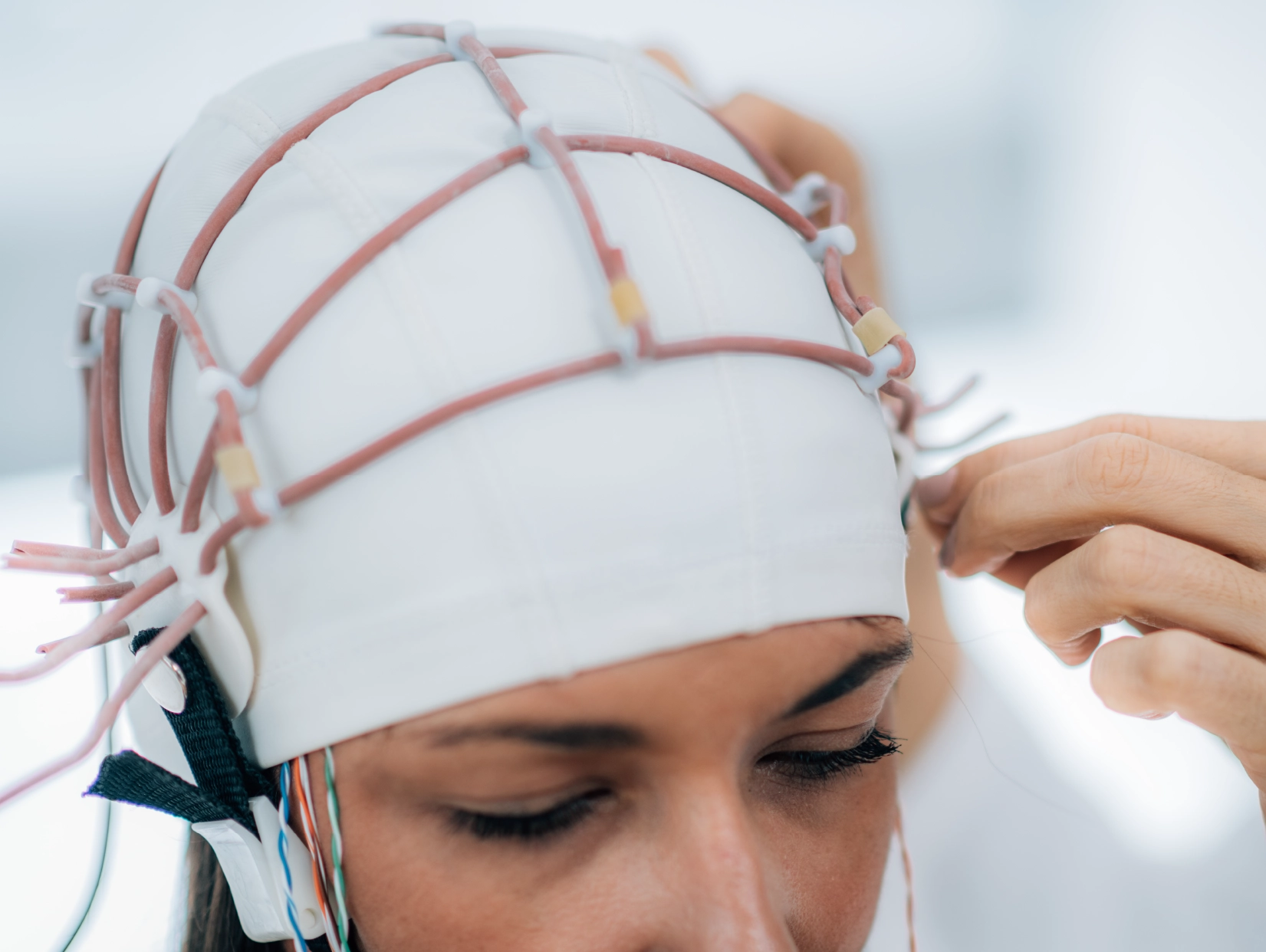
Prolonged Epilepsy Monitoring with Video-EEG
Available in phase 2 of opening
We are the only private centre in the Valencian Community that monitors patients using this minimally invasive 5-day diagnostic technique, which allows us to diagnose drug-resistant epilepsies more accurately.
We monitor the brain’s electrical activity while analysing the patient’s clinical behaviour with the medication withdrawn, through continuous video recording.
In the room specifically designed for this test, we ensure the patient’s safety and comfort throughout the entire process.
Related services
Diagnostic tests
Treatments
You may also be interested in
Medical team in Valencia

PhD in Medicine, specialist in Neurology and Epilepsy; recognised as an Epileptology specialist by the International League Against Epilepsy. Lecturer...

Epilepsy is caused by abnormal activity in the brain that triggers seizures. It can have various causes, such as brain injuries, infections, genetic disorders, brain tumours or strokes. In many cases, the exact cause is unknown.
The most common symptoms are epileptic seizures, which may present as convulsions, absence episodes (brief loss of consciousness), uncontrolled movements, temporary confusion, or changes in sensations or emotions. Symptoms vary depending on the type of epilepsy.
A person with epilepsy has a life expectancy similar to that of the general population, especially when the epilepsy is well controlled. Certain types of severe or poorly controlled epilepsy may shorten life expectancy due to complications.
When the condition is well controlled, the quality of life of a patient with epilepsy can be very high. However, factors such as poorly controlled seizures, side effects of medication, emotional and psychological burden, as well as the social stigma associated with epilepsy, can affect this quality of life. In this regard, we emphasise the importance of seeking support both from medical professionals and mental health specialists.
Drug-resistant epilepsy is when, after using at least two different antiepileptic medications, the condition does not respond adequately to treatment. This type of epilepsy requires more in-depth study and evaluation, for which we offer advanced therapeutic alternatives.
Surgery is recommended for patients with drug-resistant epilepsy when a specific area of the brain that causes the seizures is identified and can be treated without affecting vital functions. Surgery becomes a treatment option when medication does not achieve adequate seizure control or causes side effects, and when a thorough evaluation confirms surgery as the most appropriate option..
A patient with epilepsy can become pregnant if proper adjustment and control of medication is carried out, both before and during pregnancy.
The most important thing is to plan the pregnancy so that both the condition of the disease and the medication the patient is taking are suitable for considering pregnancy at that time.
As a general rule, epilepsy does not change during pregnancy. If patients had seizures before pregnancy, 50% of them will continue to have them during pregnancy. Around 25% of patients may notice an improvement in their symptoms, with seizures even disappearing. On the other hand, the remaining 25% of women will unfortunately experience worsening symptoms during pregnancy. In these cases, it is important to have regular follow-up with a specialist.
As for medication, in general, if treatment is well controlled, it is unlikely to affect the baby during pregnancy. However, some antiepileptic drugs carry a high risk of causing malformations. This is why proper preparation and very close monitoring are essential, so that the risk of malformations decreases and becomes similar to that of a woman without epilepsy.
Experiencing repeated seizures during pregnancy can pose a risk to the baby. However, if a seizure occurs in isolation, the overall risk is low. Other types of seizures, different from convulsions, have not been shown to pose a risk to the baby to date.
If your epilepsy symptoms are increasing and/or getting worse, it is essential that you see a neurologist for a re-evaluation of your condition. In addition, we emphasise that you should not wait for symptoms to worsen further. Any sign of deterioration, no matter how small, is reason enough to seek medical consultation.
Patients with epilepsy must be very cautious with alcohol and drug consumption, as these can influence the onset of seizures. For this reason, our specialists do not recommend the consumption of any type of alcohol or drugs.
Yes, you can drink coffee if you have epilepsy, as long as it does not disrupt your sleep schedule or affect your sleep quality.
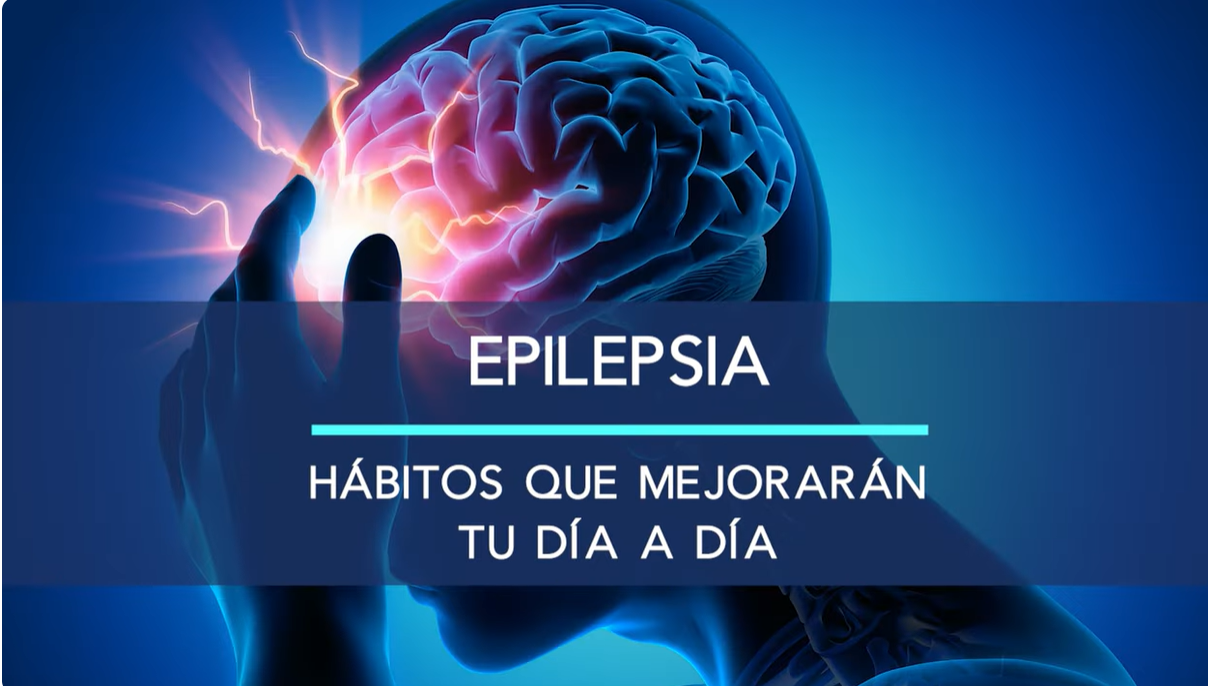
The lifestyle habits recommended for people with epilepsy are not very different from those of the general population. However, it is important to pay special attention to certain key aspects:
Ascires has the ENS certification with the MEDIA category for its medical centers in the Valencian Community and Madrid.