24-Hour Emergency Department
At the Emergency Department of Ascires Hospital Valencia, we provide immediate medical care for all adult patients requiring urgent attention, placing their wellbeing as our highest priority and at the centre of the entire care process.
Types of Emergencies We Treat
Before attending the Emergency Department, we recommend contacting your insurance provider in advance to confirm your coverage.
Our commitment to patient care

Dr Vicente Roig is a Family Physician and Head of the Emergency Department (Phase 2 of opening) at Ascires. He...

It is recommended to attend the Emergency Department when severe symptoms or conditions requiring immediate medical attention appear, such as intense chest pain, difficulty breathing, loss of consciousness, heavy bleeding, significant injuries, persistent high fever, or neurological symptoms such as weakness or difficulty speaking.
For minor conditions or symptoms that develop progressively — such as colds, mild digestive discomfort or muscular pain — it is usually more appropriate to consult a primary care doctor. Using emergency services appropriately helps ensure rapid care for patients who genuinely require urgent medical attention.
Some symptoms that may indicate a medical emergency include chest pain, shortness of breath, high fever in vulnerable individuals, seizures, injuries causing severe pain, or bleeding that does not stop.
If in doubt, it is always advisable to seek medical assessment, as early evaluation can be essential in preventing complications and improving outcomes.
Waiting times in the Emergency Department depend on the severity of each patient’s condition and the triage system, which prioritises care according to clinical urgency rather than order of arrival. Patients with more serious conditions receive immediate attention, while less urgent cases may experience longer waiting times.
This system ensures patient safety and appropriate care for those requiring urgent medical intervention.
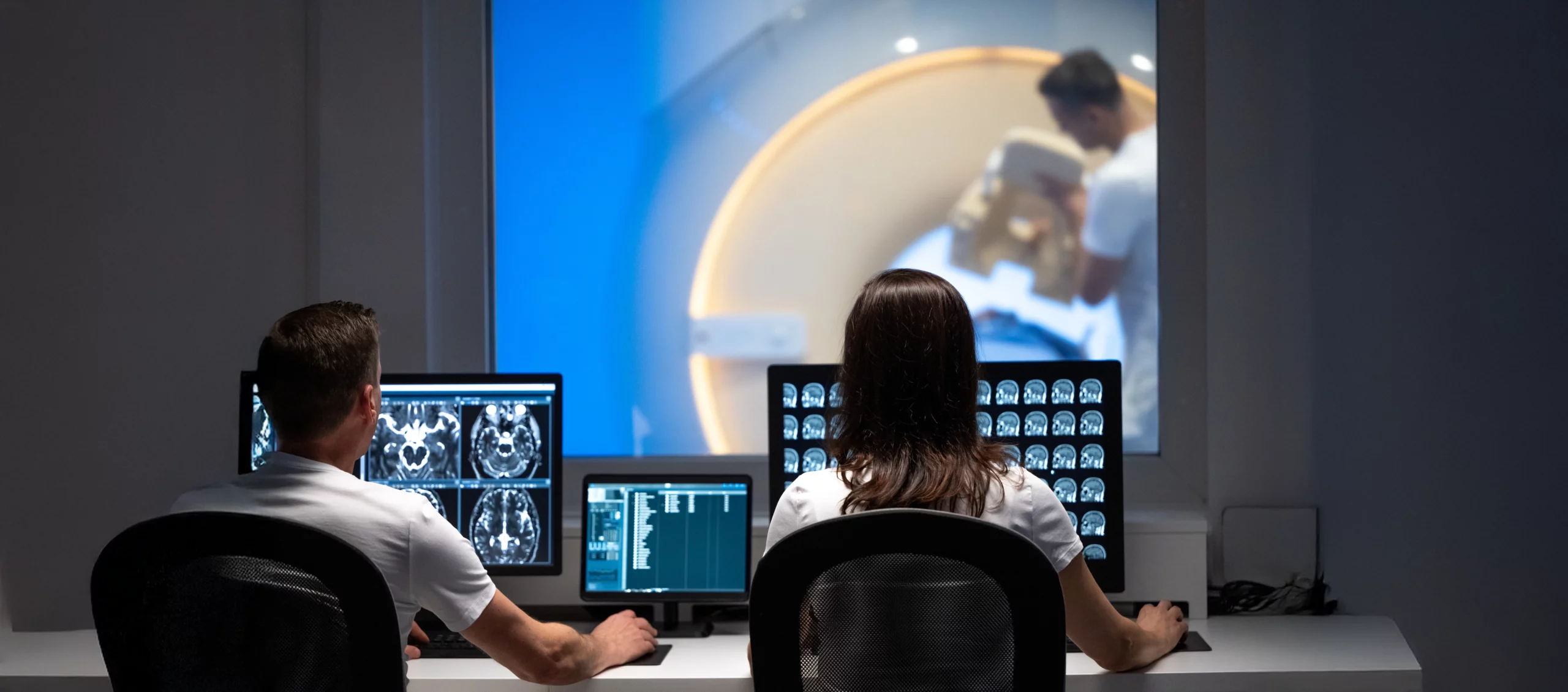
In the Emergency Department, a wide range of diagnostic tests can be performed depending on the patient’s symptoms. The most common include blood tests, X-rays, electrocardiograms (ECG), ultrasound scans, vital signs monitoring and, in some cases, more advanced imaging tests.
The aim is to achieve a rapid diagnosis in order to begin treatment as soon as possible and determine whether the patient can return home or requires hospital admission.
Yes, the Emergency Department is designed to treat patients without a prior appointment when an urgent medical problem arises. Care is available continuously, allowing patients to receive prompt medical assessment for symptoms requiring immediate evaluation.
However, it is important to use emergency services responsibly and attend only when there is a genuine urgent medical need, helping to ensure appropriate care for all patients.