Would you like to book an appointment? We will assist you by phone: +34 963 87 30 51
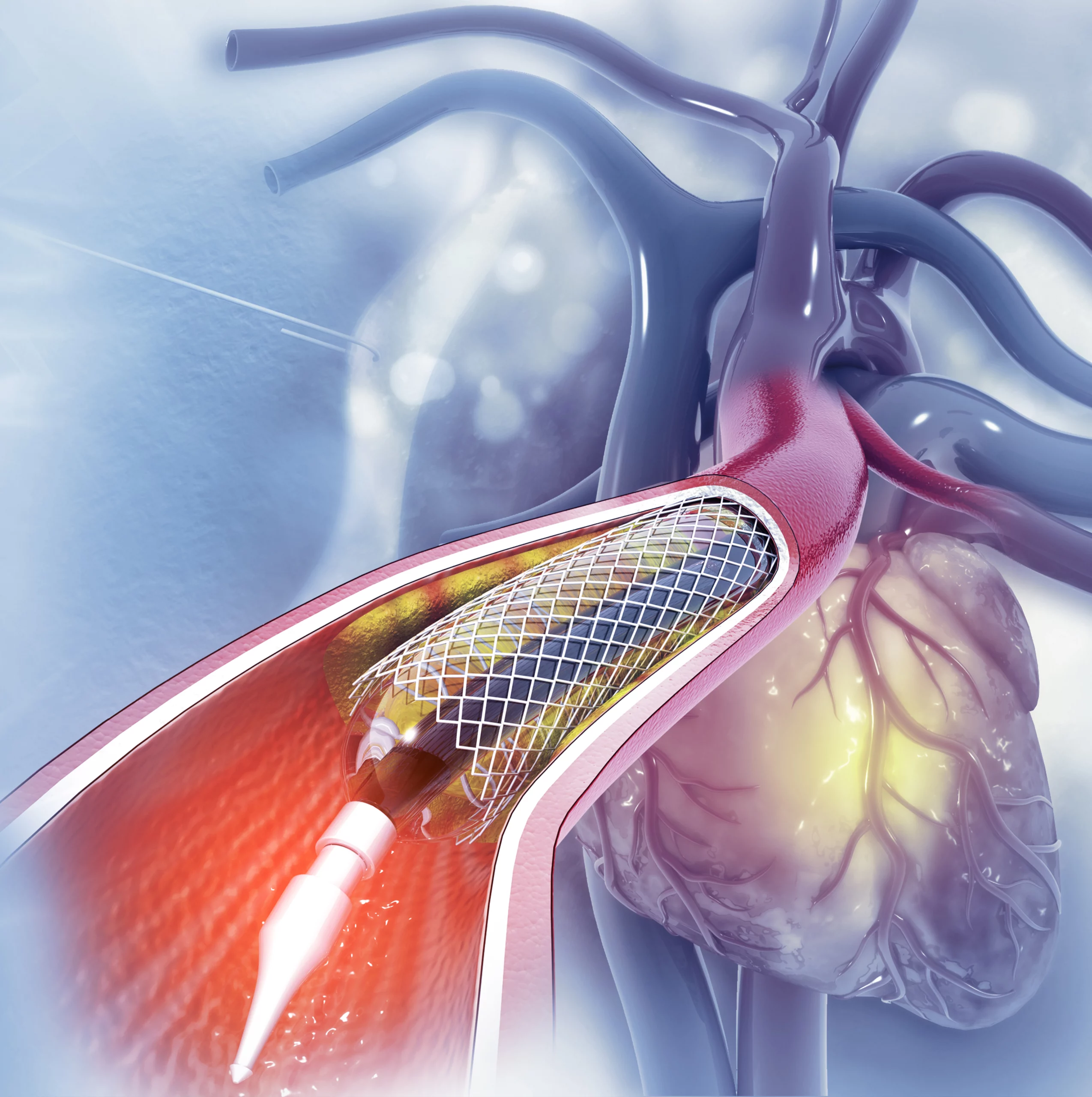
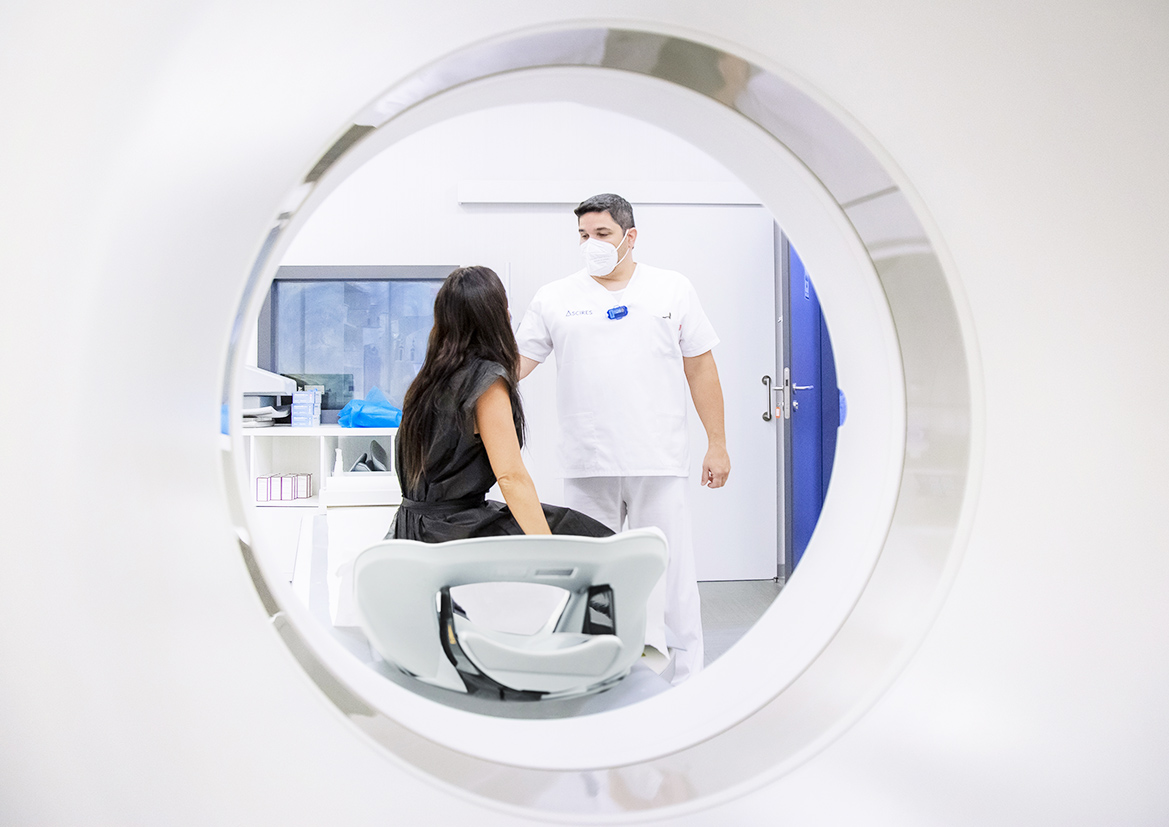
The Cardiology team of the Ascires group is a national reference in cardiovascular diagnosis. Now, in the Cardiology Department at our hospital in Valencia, we take heart care one step further with the latest advances in minimally invasive treatments, enabling faster, safer and more effective recovery.
We are the only private centre that brings together specialists in clinical cardiology, cardiovascular imaging, coronary and vascular intervention, electrophysiology, cardiac surgery, and vascular surgery and angiology, alongside other areas such as pneumology and thoracic surgery, to provide a comprehensive and personalised approach for every patient.
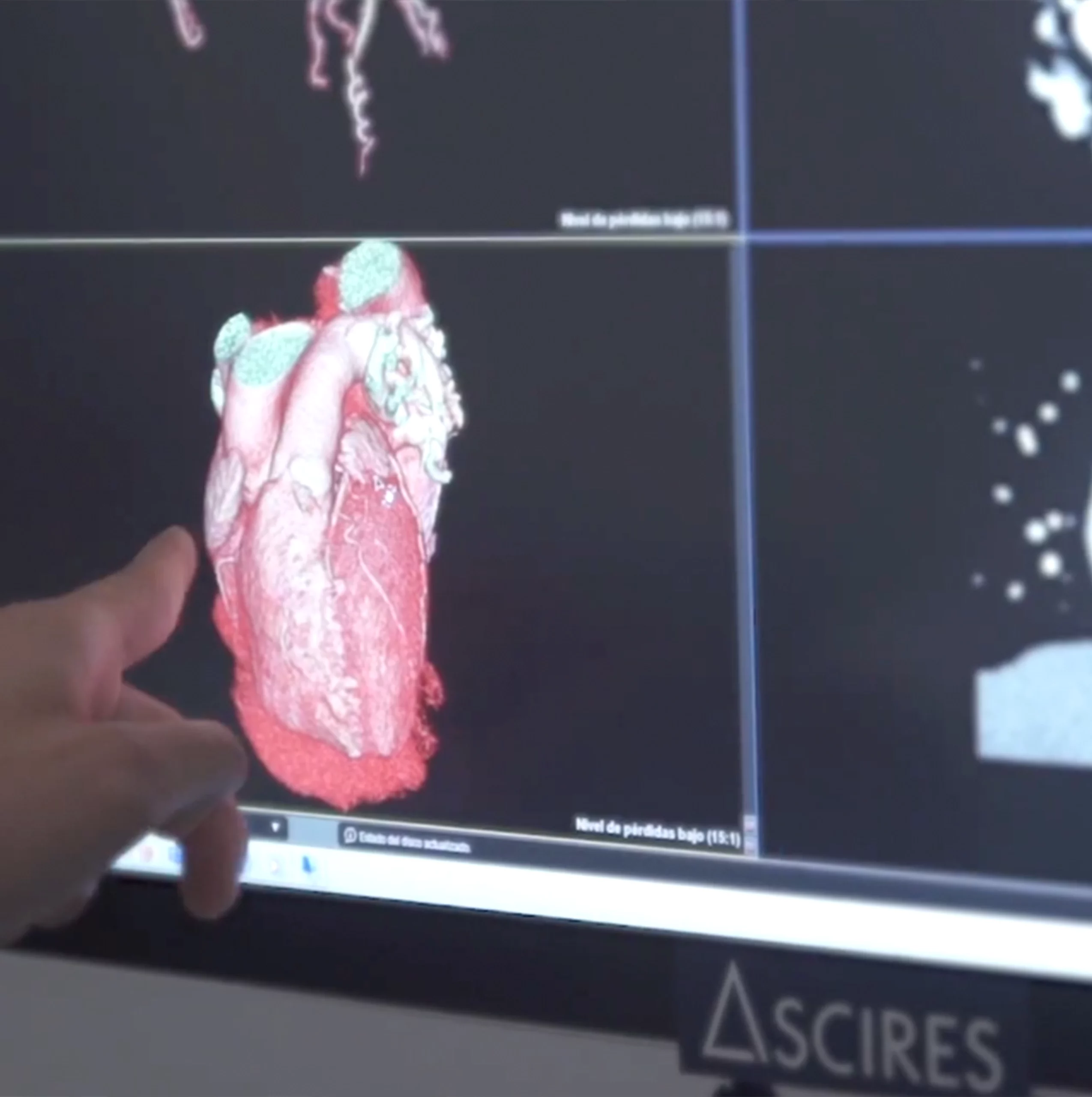
We use state-of-the-art technology that enables major advances such as comprehensive coronary artery studies in a single heartbeat, or 10-year coronary risk prediction using artificial intelligence — achieving maximum precision in every treatment.
Your heart now benefits from specialised consultations in Valencia — including heart failure, arrhythmias, coronary artery disease, sports cardiology and women’s cardiology — offering care that is fully tailored to your individual characteristics.
For certain diagnoses, a multidisciplinary committee reviews each case to determine the best treatment — surgical or percutaneous — and to plan the appropriate follow-up.
What makes us unique
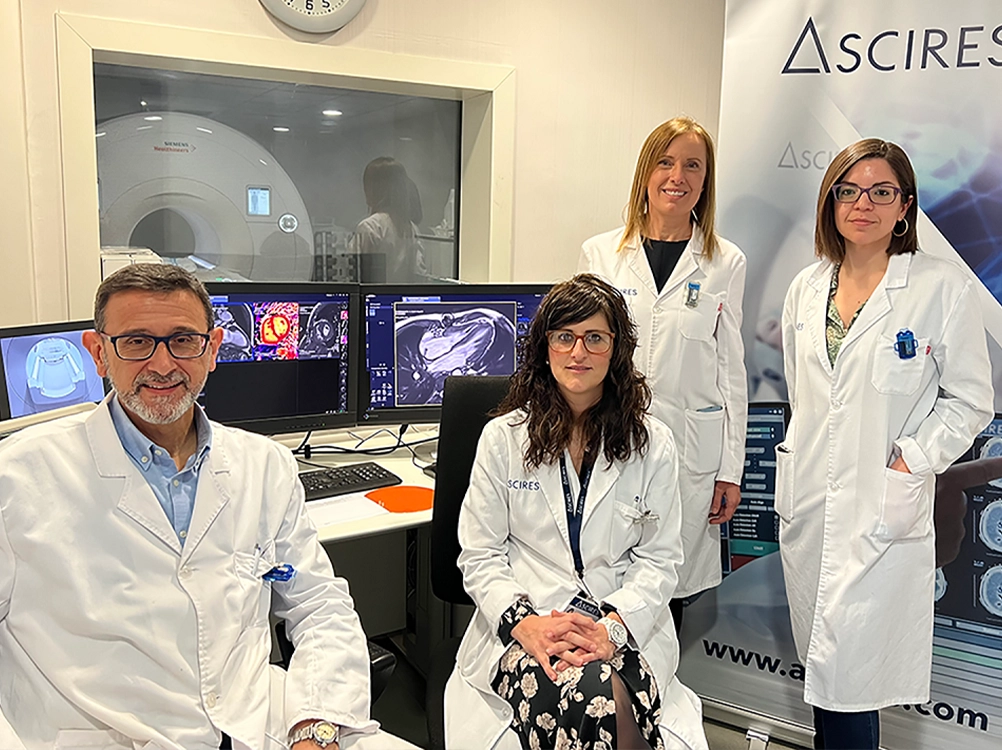
Comprehensive Cardiology Service in Valencia
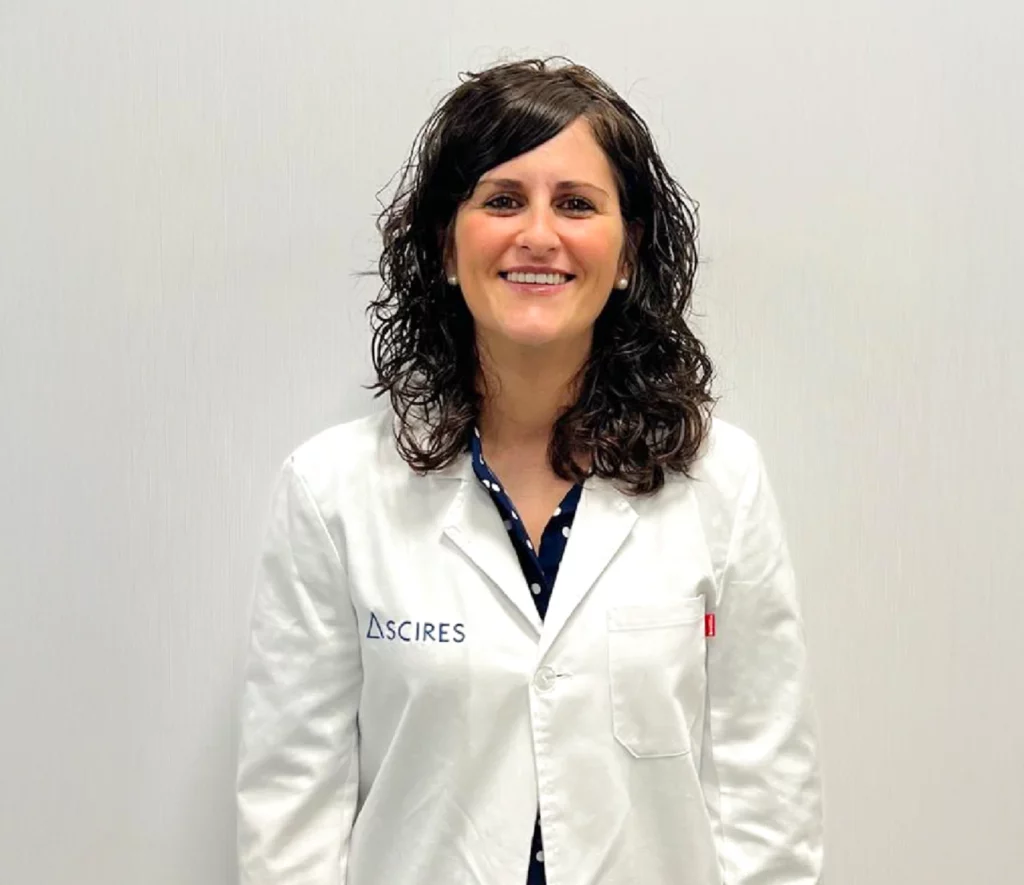
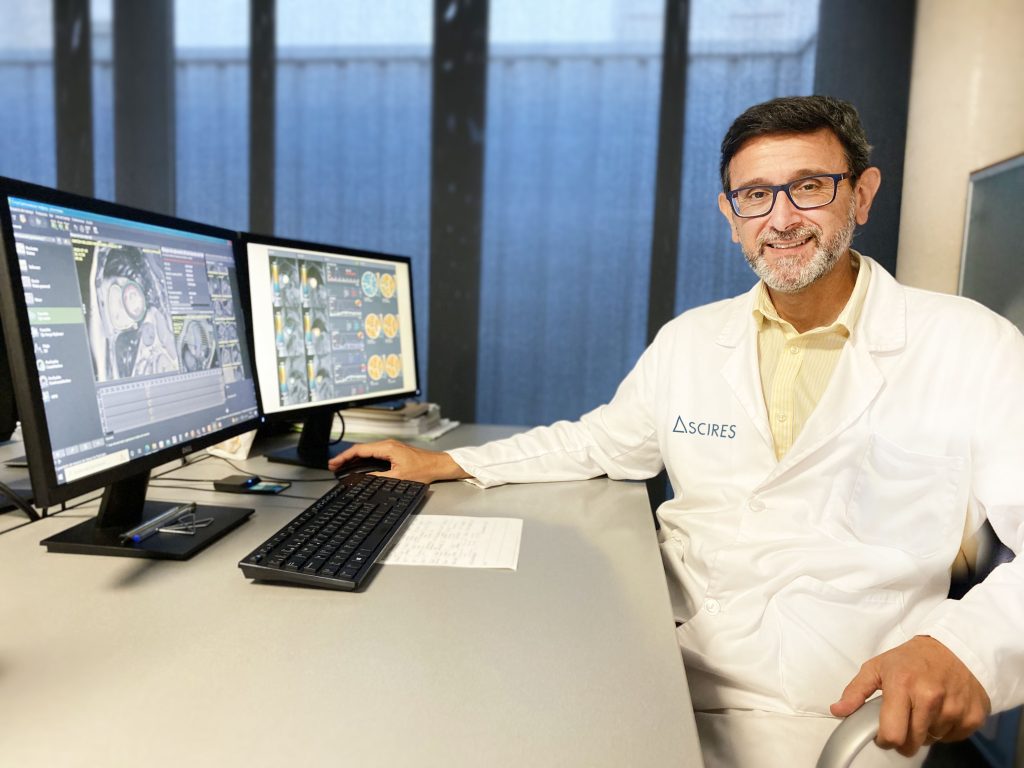
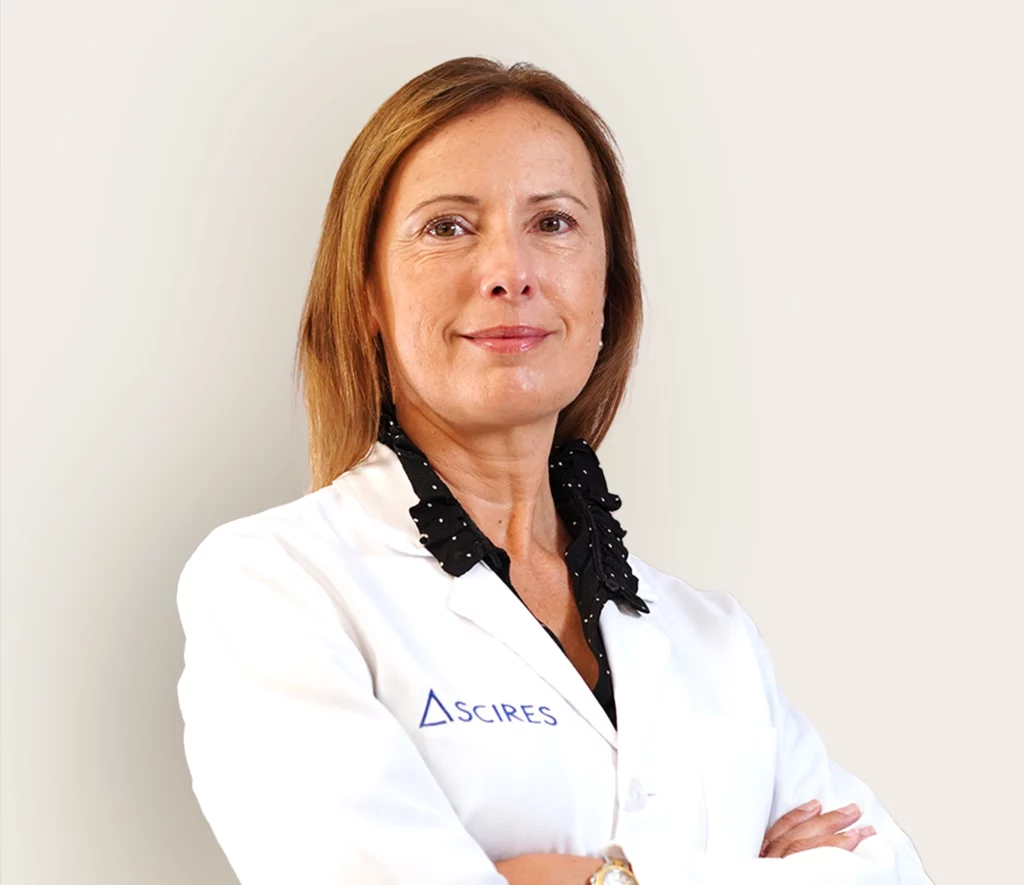
Medical team
19 años trabajando en servicios cardiológicos de centros públicos y privados a nivel nacional e internacional, con formación específica en...
Amplia experiencia clínica e investigadora en Departamentos de Cardiología de hospitales nacionales e internacionales (Suiza y Alemania). Su trayectoria investigadora...
16 años trabajando en servicios cardiológicos de centros públicos y privados, con amplia dedicación a Cardioimagen (RM y TC Cardíacos)
34 años de experiencia en diversos servicios de cardiología de la Comunidad Valenciana. Con amplia experiencia en Imagen Cardiaca, cuenta...
Directora Médica del Grupo Ascires y Jefe del Servicio de Cardiología, con 30 años de experiencia nacional e internacional en...
Useful Information
Other Clinics with Cardiology
| Name | Address | Phone | |
|---|---|---|---|
| Castelló | |||
| Ascires Castelló | Dirección: Carrer de Betxí, 7, 12004 Castelló de la Plana, Castelló | Teléfono: 961 86 89 98 | Email: moc.sericsa@olletsac |
| Valencia | |||
| Ascires Campanar | Dirección: Radiodiagnóstico: Marqués de San Juan, 6 y 4 Consultas: Avenida Campanar 116 València | Teléfono: 96 340 40 77 | Email: moc.sericsa@ranapmac |
| Ascires Gandia | Dirección: Av. d’Alacant, 123 – Nave 6 46702 – Gandia | Teléfono: 96 186 89 99 | Email: moc.sericsa@aidnag |
| Ascires Sagunto | Dirección: C/ Advocat Fausto Caruana, 11 46520 – Puerto de Sagunto | Teléfono: 96 186 89 91 | Email: moc.sericsa@tnugas |
| Ascires Xàtiva | Dirección: Ronda Séquia de la Vila, s/n, 46800 – Xàtiva | Teléfono: 96 340 43 44 | Email: moc.sericsa@avitax |
If you witness a cardiorespiratory arrest, it is very important to follow these steps:
1. Call 112.
2. At the same time, immediately start cardiopulmonary resuscitation (CPR).*
3. Do not stop performing chest compressions until the ambulance arrives with a defibrillator.
Even if you have never practised CPR, experts confirm that acting is always better than doing nothing, as it directly increases the chances of survival.
The symptoms of a myocardial infarction should never be overlooked. Even if they seem mild, seek help and urgent medical attention.
It is important to be aware that not everyone experiences the same symptoms, and that symptoms can differ between men and women.
Symptoms in men include:
– Chest pain, which may come and go. It usually lasts for more than 15 minutes. It may feel like pressure, tightness, heaviness or discomfort.
– Upper body pain: chest pain may radiate to the shoulders, arms, back, neck, jaw, upper abdomen or even the teeth. You may also experience upper body pain without having chest pain.
– Shortness of breath: you breathe with difficulty and feel as if you cannot catch your breath.
– Feeling of anxiety: this may feel like an anxiety or panic attack.
– Dizziness and light-headedness
– Sweating, nausea and vomiting
– Heartburn or abdominal discomfort
The most common symptoms in women include:
– Pressure-like pain in the centre of the chest or in the upper abdomen
– Nausea, vomiting or indigestion
– Pain in the centre of the back and in the jaw. This pain may radiate to the left arm, both arms or the neck.
– Sweating
In many cases, women minimise their symptoms because they are not aware that there are differences between the symptoms experienced by men and women. For this reason, it is essential to understand that any of the symptoms described may indicate a heart attack, and immediate medical attention should be sought.
Heart failure is a chronic and degenerative condition in which the heart does not pump blood as effectively as it should. As a result, it does not deliver enough oxygen and nutrients to the rest of the body.
The most common symptoms of heart failure are:
– Shortness of breath during activity or at rest
– Fatigue and weakness
– Fluid retention, which appears as swelling in the legs, ankles, feet and abdomen
– Very rapid weight gain due to fluid retention
– Fast and irregular palpitations
– Loss of appetite
– Confusion, light-headedness and dizziness. In some cases, fainting may also occur.
– A persistent dry cough or a cough producing white, pink or blood-tinged mucus
When heart failure is chronic, symptoms appear gradually and worsen over time.
However, when symptoms appear suddenly, the heart failure is acute, and the symptoms are severe from the outset.
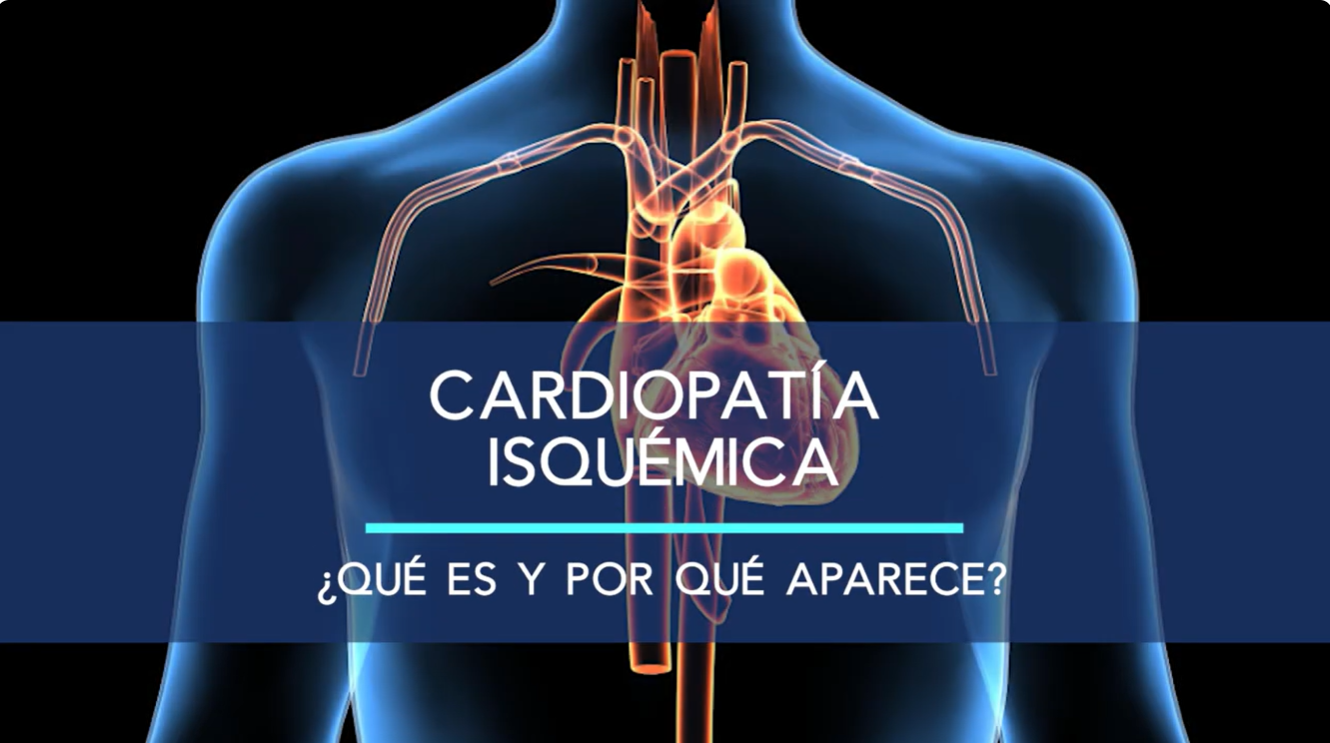
As for the causes of heart failure, it is often related to a cardiovascular event, such as a myocardial infarction, angina pectoris, heart disease, valvular disease or atrial fibrillation, among other arrhythmias.
Heart failure cannot be cured, but the condition can be controlled to prevent its progression and improve the patient’s quality of life.
Firstly, there are measures to reduce risk factors, such as:
– Stopping smoking and alcohol consumption
– Losing weight in cases of overweight or obesity
– Avoiding a sedentary lifestyle and incorporating physical activity as a regular habit. This requires supervision by a specialised doctor, who will prescribe the appropriate level of activity based on the person’s abilities and the severity of their cardiac condition.
– Following a healthy, balanced diet, low in fat, salt and caffeine.
– Ensuring good sleep, ideally between 7 and 8 hours per day.
Additionally, cardiologists may prescribe pharmacological treatments depending on the severity of the heart condition.
Finally, patients with advanced heart failure may also be candidates for the implantation of certain devices:
– Cardiac resynchronisation therapy pacemaker (CRT pacemaker): a pacemaker with three leads that, in addition to coordinating the right atrium with the right ventricle, also delivers electrical impulses to the left ventricle, synchronising it with the right one.
In this way, the electrical and mechanical activity of the heart is resynchronised.
– Implantable cardioverter-defibrillator (ICD): this is a pacemaker that, unlike a traditional one, delivers an electric shock to the heart when it detects a potentially life-threatening arrhythmia.
Depending on the severity of the condition, travelling by plane with a cardiac disorder may be more or less safe. For this reason, it is essential to consult a cardiologist before flying, so they can assess your individual situation and provide personalised advice.
Si la patología es leve, por norma general, se podrá viajar sin problemas. Si tienes una angina de pecho grave, o una insuficiencia cardíaca severa, o has tenido recientemente un infarto de miocardio, probablemente tu cardiólogo te pautará llevar oxígeno durante el vuelo o no te recomendará realizar el viaje.
In any case, we emphasise the importance of consulting a medical professional, ideally your cardiologist, who knows your medical history and can advise you in the most appropriate way.
After every five compressions, give one rescue breath using mouth-to-mouth resuscitation.
Ascires has the ENS certification with the MEDIA category for its medical centers in the Valencian Community and Madrid.