At the Ascires Breast Unit we offer individualized and specialized care focused on the early detection of breast cancer and other benign pathologies.
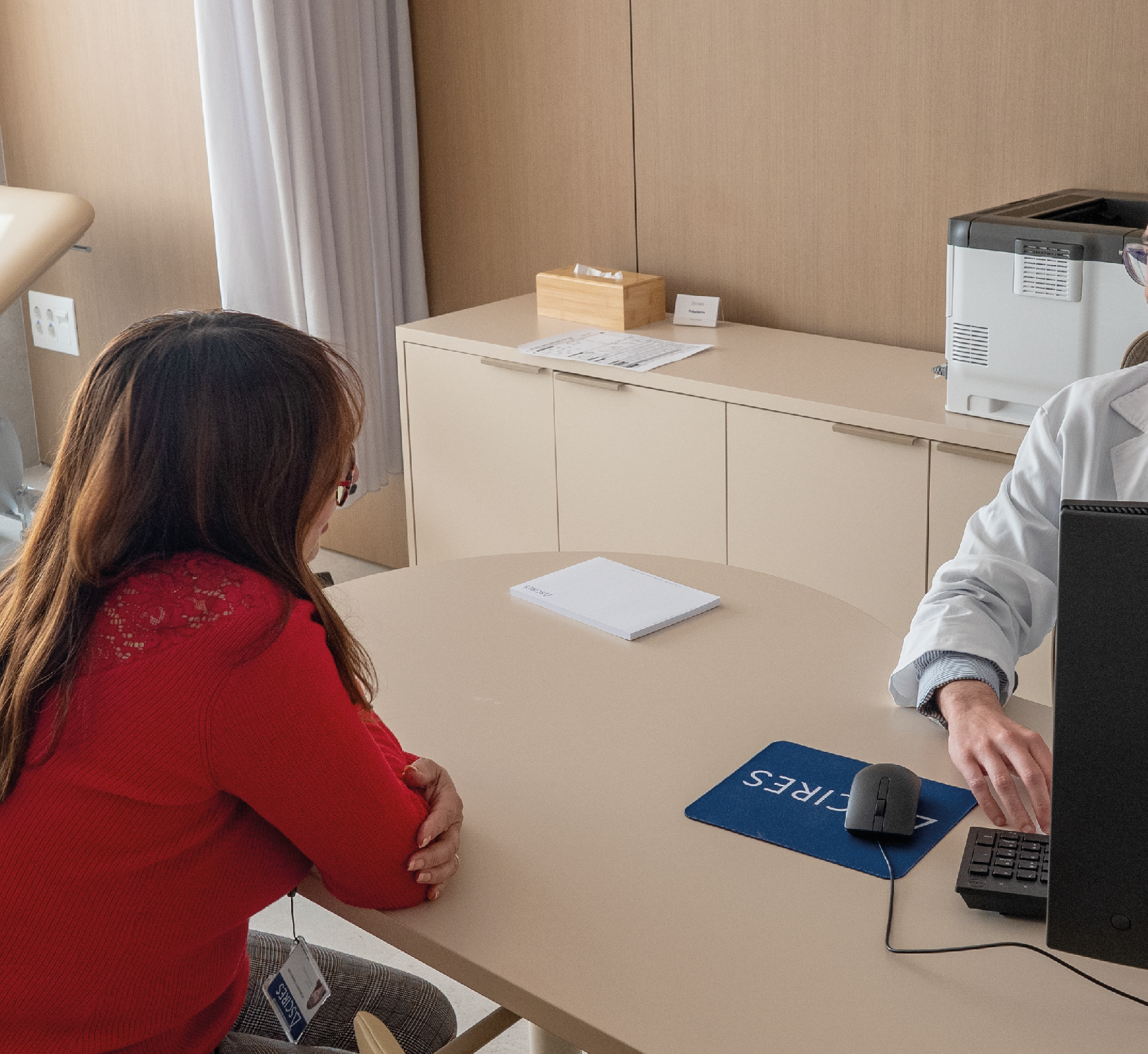
Immediate results: during the same visit, you will receive the medical assessment of your results, along with recommendations and next steps, if applicable
Would you like to make an appointment at the Breast Unit? Call now at 963 87 30 50
Commitment to the Patient
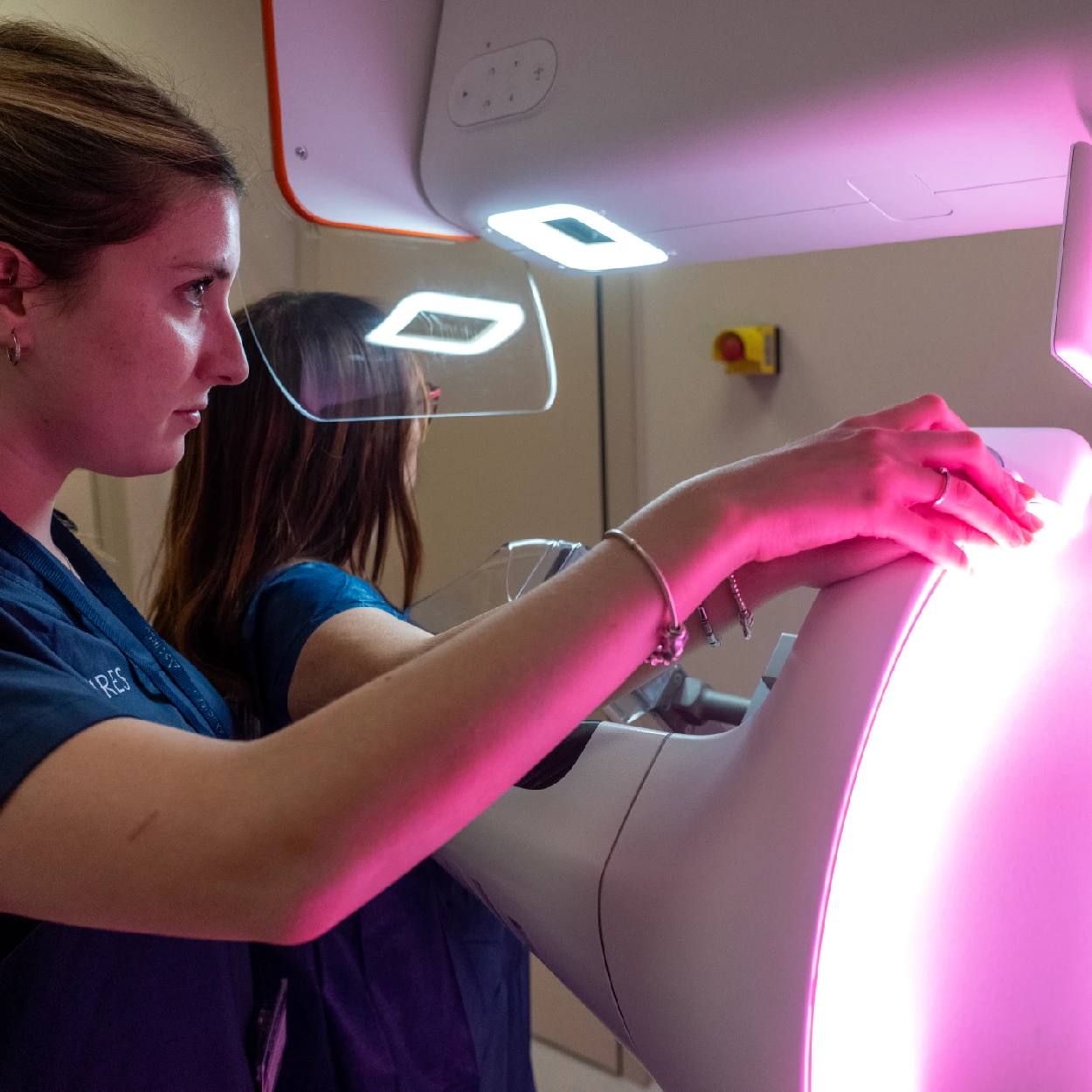
Low-dose 3D mammography
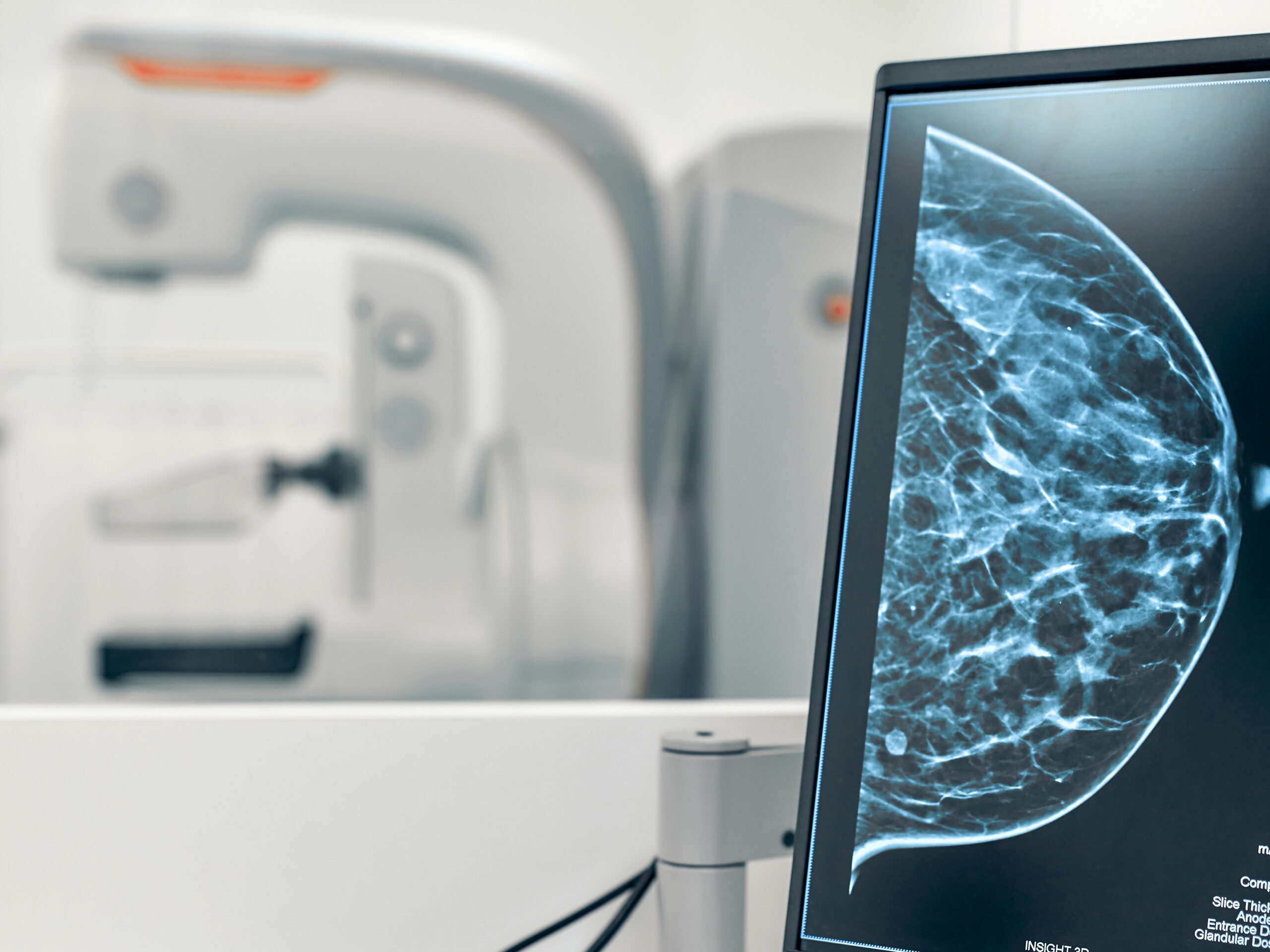
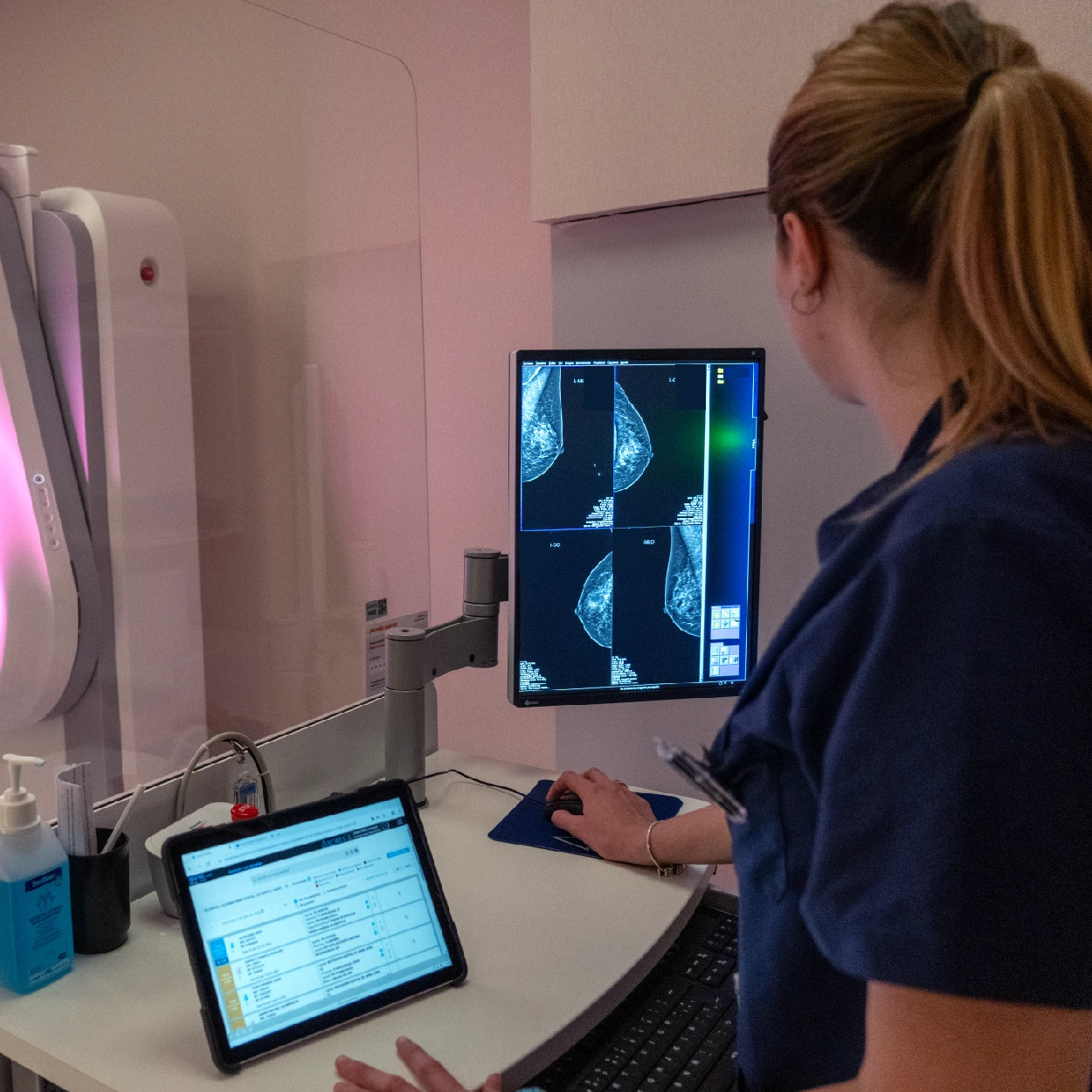
State-of-the-art mammography equipment for maximum precision
At Ascires we have the latest generation mammographs, which offer us the highest image quality from different angles and the possibility of performing 3D studies, for maximum diagnostic accuracy:
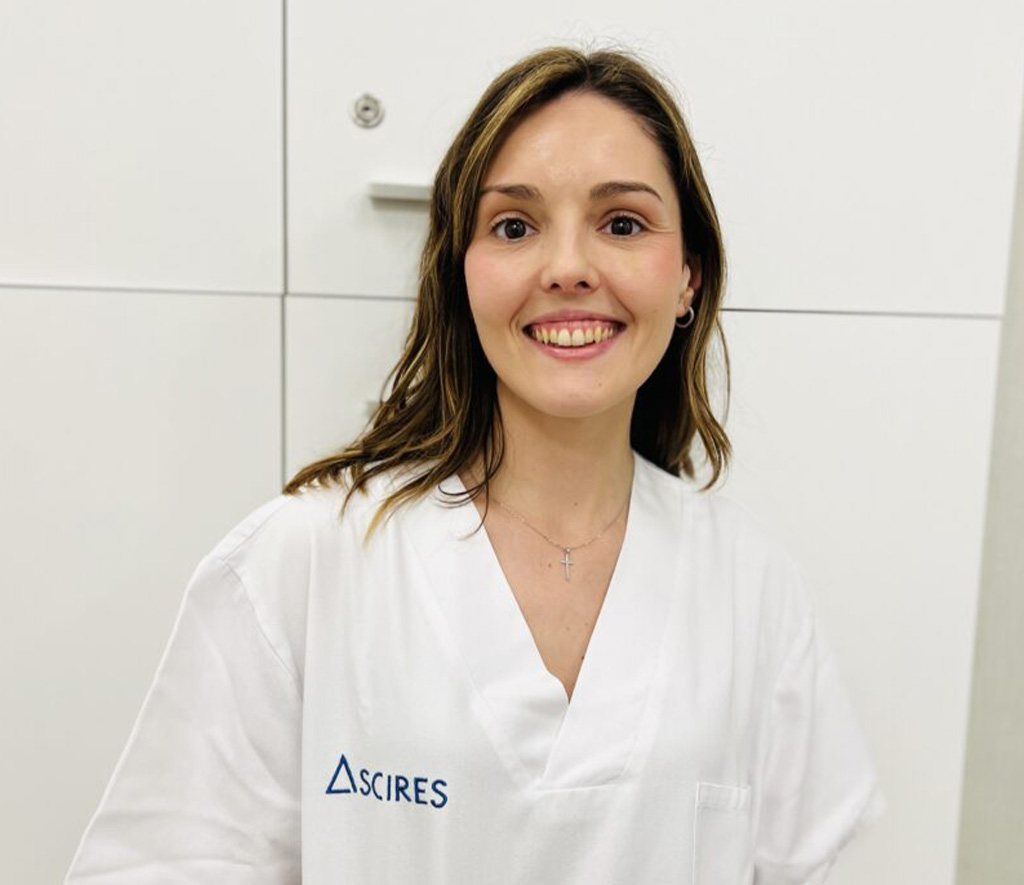
Medical team of the Breast Unit
Dr Moner is a specialist in Gynaecology at Ascires Group. She graduated in Medicine and Surgery from the University of...
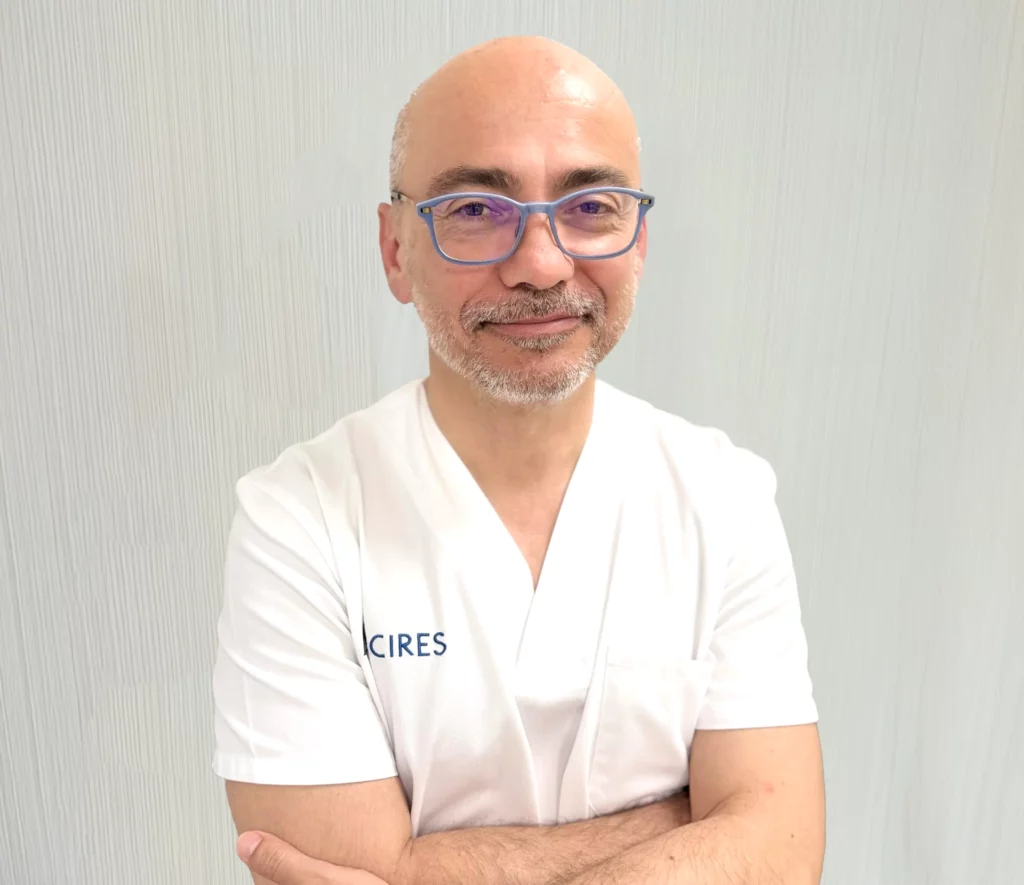
He has more than 30 years of experience as a specialist in Obstetrics and Gynaecology, working in a range of...

The age for mammography screening depends on the risk factors of each woman. In the general population, screening programs usually begin between the ages of 40 and 50, with periodic check-ups as recommended by a physician.
Women with a family history or high risk factors may need earlier and more frequent controls. Individual assessment in a breast unit allows the most appropriate follow-up plan to be established.
Breast ultrasound and mammography are imaging tests used to study the breast, but they differ in the technology they use and the information they provide.
The mammography uses X-rays to obtain images of breast tissue and is the main test for the early detection of breast cancer, especially in women from 40-50 years of age. It can identify very small lesions or microcalcifications that cannot be detected with other techniques.
The breast ultrasoundon the other hand, uses ultrasound (not radiation) and is especially useful in young women with dense breasts, in the study of palpable lumps or as an adjunct to mammography to better characterize a lesion. It is also frequently used during pregnancy or lactation.
Both tests are complementary, and the choice depends on age, symptoms and individual medical assessment. In many cases, the specialist may recommend performing both tests to obtain a more accurate diagnosis.
It is recommended to go to an Ascires breast unit if there are any changes in the breasts, such as the appearance of a lump, persistent pain, nipple discharge, skin changes or alterations in the shape or size of the breast. It is also important to consult if there is a family history of breast cancer or doubts about preventive screenings.
The specialized units allow a quick and complete assessment through clinical examination and imaging tests, facilitating an early diagnosis and greater peace of mind for the patient.
No. Most breast lumps are benign and may be cysts, fibroadenomas or other non-cancerous changes. However, any new lump should be evaluated by a specialist to rule out malignant pathology.
Early diagnosis is essential in breast cancer, so consulting in the event of any change allows you to act quickly and increase the likelihood of effective treatment.
Ascires has the ENS certification with the MEDIA category for its medical centers in the Valencian Community and Madrid.