Would you like to book an appointment in Valencia? We will assist you by phone: 963 87 30 50
Recover from your injuries with our team of physiotherapists specialised in:
Whether you have recently undergone surgery, have a procedure scheduled, or have sustained an injury, we design a comprehensive rehabilitation plan to support a faster return to sport and work.
Physiotherapy in Valencia
Each patient is unique. Let us advise you and we will identify the most appropriate, personalised treatment for your case. At Ascires, we apply an extensively developed methodology based on the combination of hands-on manual therapy on the treatment couch and rehabilitation exercises in the gym.
At Ascires, we apply an extensively developed methodology supported by an advanced radiology service, allowing us to obtain the highest-quality diagnostic imaging.
When complementary examinations are required, we have access to the most advanced diagnostic imaging equipment: advanced X-ray studies, 3-Tesla Magnetic Resonance Imaging, state-of-the-art ultrasound scans and low-dose CT.
Physiotherapy technology and techniques in Valencia
With the most advanced technology, we help shorten recovery times and support you in achieving your goals. Treatment protocols involve the combined use of the following technologies, according to the requirements of each diagnosis.
The use of magnetic fields with low-intensity, low-frequency current is particularly effective in cases of bone injury, such as fractures or fissures.
We apply electrotherapy both in the early stages of injury and throughout follow-up, monitoring progress and recovery.
Physiotherapy team
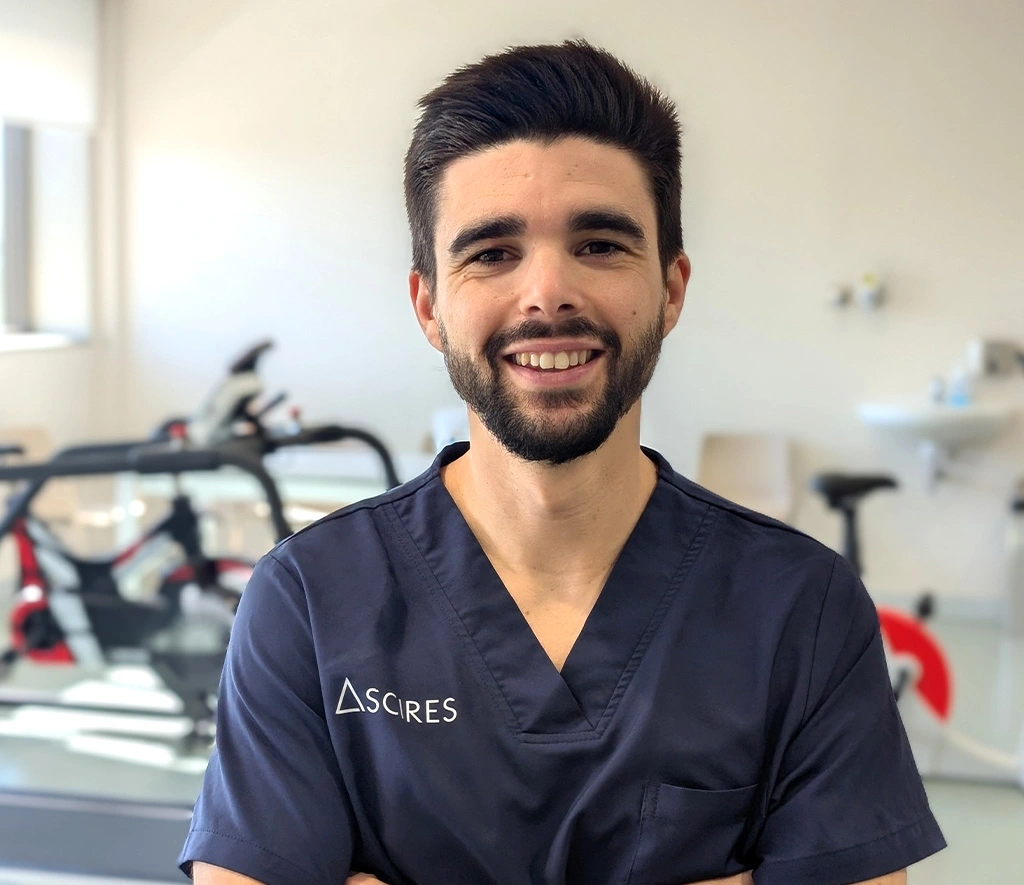
Physiotherapy Coordinator at Ascires. He graduated in Physiotherapy from Cardenal Herrera CEU University. He completed a Master’s Degree in Sports...
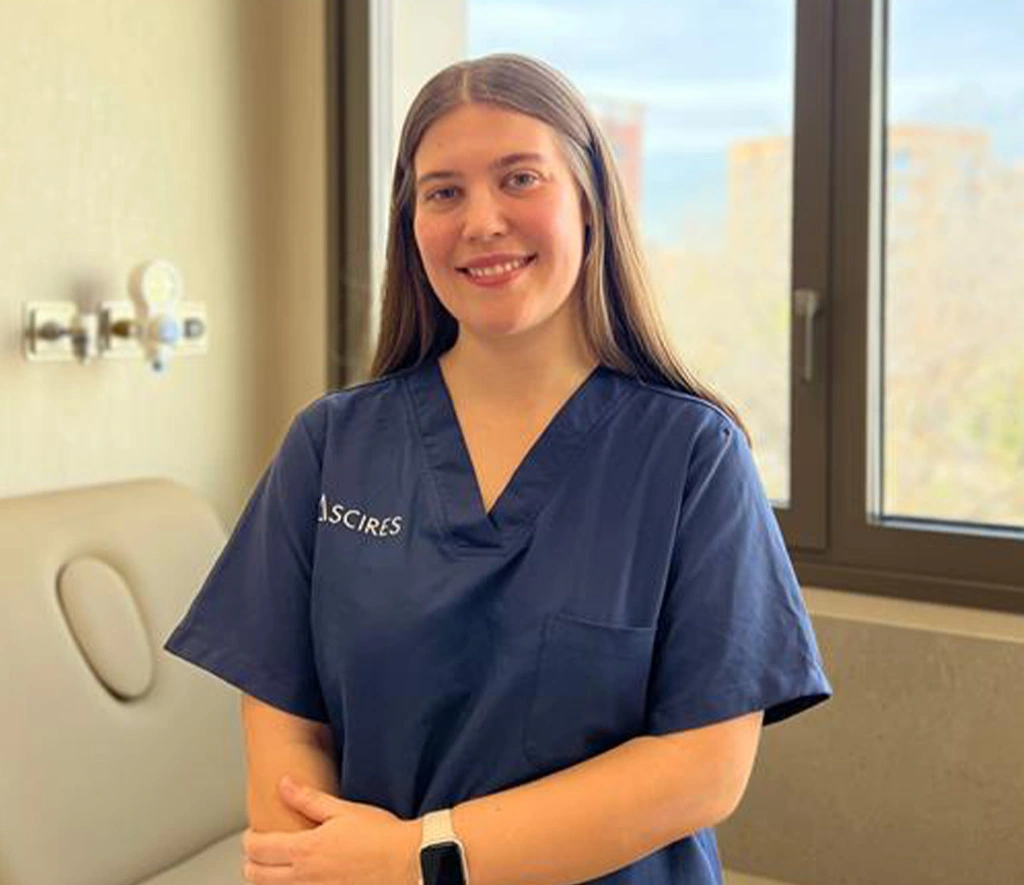
Laia Gilabert is a physiotherapist at Ascires Hospital, specialised in neurological physiotherapy. She has experience in the treatment of patients...

Other Clinics Offering Physiotherapy
| Name | Address | Phone | |
|---|---|---|---|
| Valencia | |||
| Ascires Campanar | Dirección: Radiodiagnostics: Marqués de San Juan, 6 y 4. Outpatient consultations: Avenida Campanar 116 València | Teléfono: 963 404 077 | Email: moc.sericsa@ranapmac |
| Ascires Hospital | Dirección: Av. de les Tres Creus, 102, Patraix, 46014 València, Valencia | Teléfono: 963 873 050 | Email: moc.sericsa@latipsoh |
You should see a physiotherapist if you experience persistent pain, joint stiffness, loss of strength or restricted movement, as well as after surgery or an accident. Physiotherapy is also recommended for chronic pain, postural rehabilitation and the prevention of sports-related injuries.
The duration depends on the type of injury or surgery, the patient’s physical condition and their progress. At Ascires, we design personalised treatment plans that may range from a few sessions to programmes lasting several weeks, always with medical and physiotherapy follow-up to ensure a full recovery.
Post-surgical rehabilitation is a personalised process that begins shortly after surgery and aims to restore mobility, strength and function in the treated area. At Hospital Ascires Valencia, our physiotherapists design an individualised plan that includes therapeutic exercises, manual techniques and specific treatments to reduce pain and inflammation.
El programa de rehabilitación se adapta a cada fase del proceso de recuperación, desde los primeros cuidados tras la operación hasta la reincorporación total a la actividad diaria, laboral o deportiva. Gracias a un seguimiento cercano y multidisciplinar, conseguimos que el paciente se recupere antes, con mayor seguridad y con un menor riesgo de recaídas.
Indiba therapy uses radiofrequency to stimulate cell regeneration, improve circulation and reduce inflammation. At Hospital Ascires Valencia, we use Indiba to accelerate muscle recovery, relieve pain and promote healing following injuries or surgical procedures.
Magnetotherapy uses low-frequency magnetic fields to help relieve pain, reduce inflammation and stimulate tissue repair. At Hospital Ascires Valencia, it is used as a complementary therapy in rehabilitation treatments and in bone, joint or muscle injuries.
If you have suffered a sprain, it is essential to act quickly and appropriately to reduce pain and inflammation and to avoid complications. These are the most important measures you should follow:
1. Relative rest of the injured joint and consultation with your physiotherapist
Avoid weight-bearing or overloading the affected area during the first few days. Rest allows the damaged ligaments to begin the healing process.
Arrange an assessment with your specialised physiotherapist, who will evaluate the severity of the sprain and design a personalised treatment plan to restore joint mobility, strength and stability.
Physiotherapy is key to a full recovery. It includes techniques to reduce pain, improve mobility and prevent recurrence, tailored to each patient and type of sprain.
2. Apply local cold therapy
Apply ice or cold packs for 15–20 minutes, 3 to 4 times a day, especially during the first 48 hours. This helps to reduce inflammation and pain.
3. Compression and elevation
Using a compression bandage and keeping the affected limb elevated above heart level helps to reduce swelling.
4. Do not self-medicate or force recovery
Avoid intense massage, heat application or early physical activity without professional supervision, as these may worsen the injury.
Recovery after a stroke (cerebrovascular accident) varies greatly depending on the severity of the brain injury, the area affected, the patient’s age and how quickly rehabilitation begins. However, neurological physiotherapy plays a fundamental role in improving mobility, strength, balance and functional independence.
Recovery phases after a stroke:
What does neurological physiotherapy do to support stroke recovery?
Is full recovery possible?
There are many factors that influence prognosis. However, some people recover almost all their function, while others have lasting effects. What is important is that neurological rehabilitation improves quality of life at any stage, even years after a stroke.
Yes. Although diseases such as amyotrophic lateral sclerosis (ALS) currently have no cure, neurological physiotherapy is essential to maintain mobility, prevent stiffness, slow functional decline and prevent secondary complications, with the main aim of preserving the patient’s quality of life.
Objectives of physiotherapy in ALS and other neurological diseases
Recommended exercises in neurological physiotherapy
Treatment should always be personalised, but may include:
Is exercise beneficial for ALS?
Yes, but it must be supervised by a physiotherapist specialised in neurology. Excessive exercise can cause fatigue, but appropriate activity helps preserve function for longer.
Ascires has the ENS certification with the MEDIA category for its medical centers in the Valencian Community and Madrid.