ServiciosParkinson’s and Movement Disorders Unit

Would you like to book an appointment? We will assist you by phone: +34 963 87 30 52

At Ascires, we have the first private Parkinson’s and Movement Disorders Unit in Valencia.

The neurologists and neurosurgeons who form this unit have specific expertise and training in Parkinson’s disease, atypical parkinsonisms, tremors and blepharospasm, among other movement disorders. Working in close collaboration with other specialists—such as neuroradiologists, nuclear medicine physicians and biotechnologists—they provide advanced, personalised solutions from the early stages of the disease to complex cases and those resistant to conventional treatment.

  • Equipped with the most advanced technology for precise diagnostics: 3-Tesla MRI scanners and Nuclear Medicine techniques (PET), among others, enhanced by AI-powered software that improves the quality and accuracy of diagnostic imaging.
  • A pioneering and highly specialised unit in the application of Neuro-HIFU, a non-incisional procedure capable of improving tremor and other symptoms in Parkinson’s disease — all in a single session.
  • Each case is reviewed by the entire unit’s team: all specialists jointly design the best treatment plan for every patient, selecting the safest options with the shortest recovery time.

What sets our Parkinson’s and Movement Disorders Unit apart
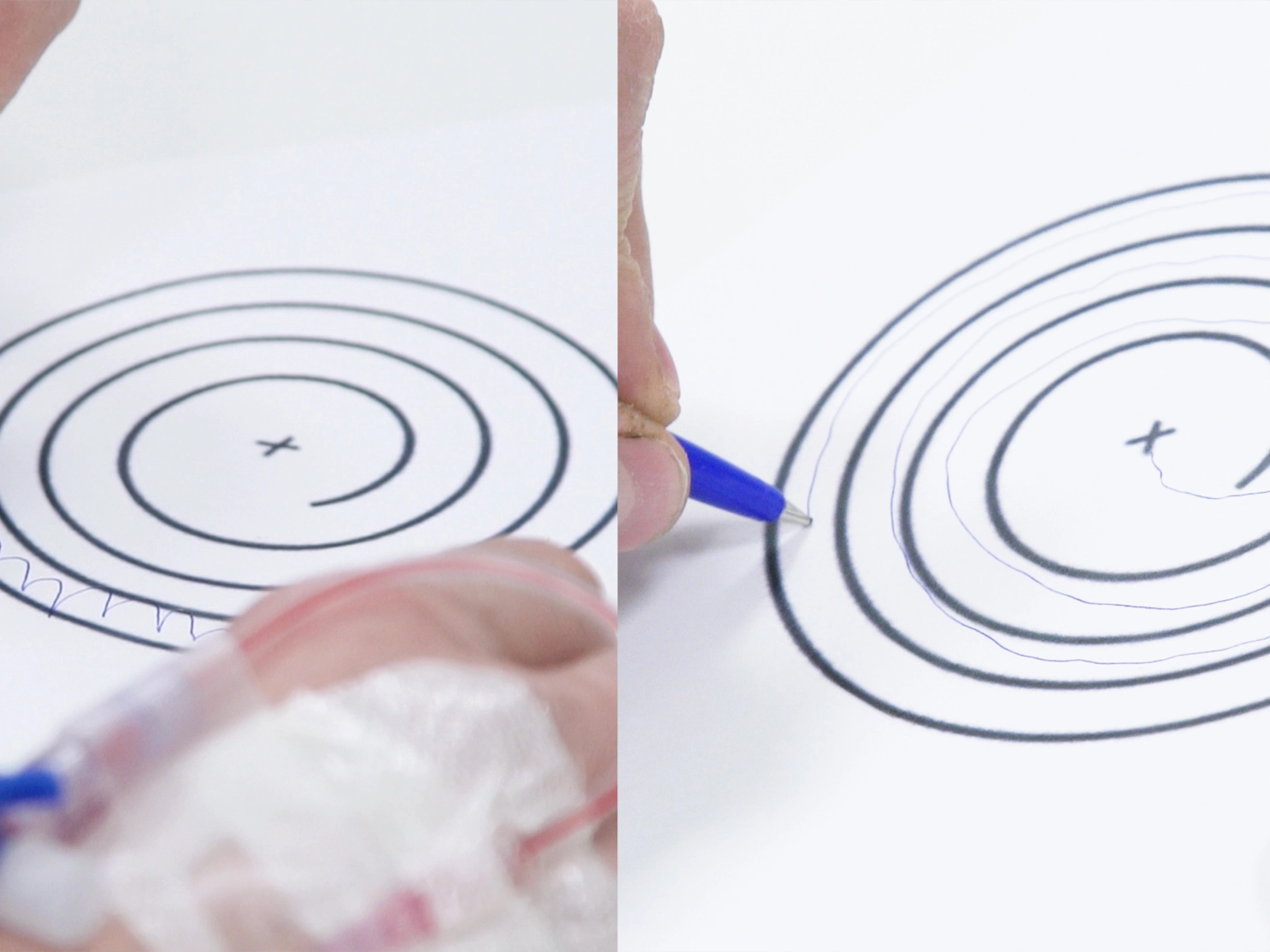
Foto del artículo: Ascires, a pioneer in Neuro-HIFU, incision-free treatment

Ascires, a pioneer in Neuro-HIFU, incision-free treatment

Available in Phase 2 of opening. Implemented by our neurosurgeon, Professor Andrés Lozano—developer of this technique at an international level. With this High-Intensity Focused Ultrasound (HIFU) technology, we treat essential tremor and specific Parkinson’s symptoms in a minimally invasive, incision-free way.
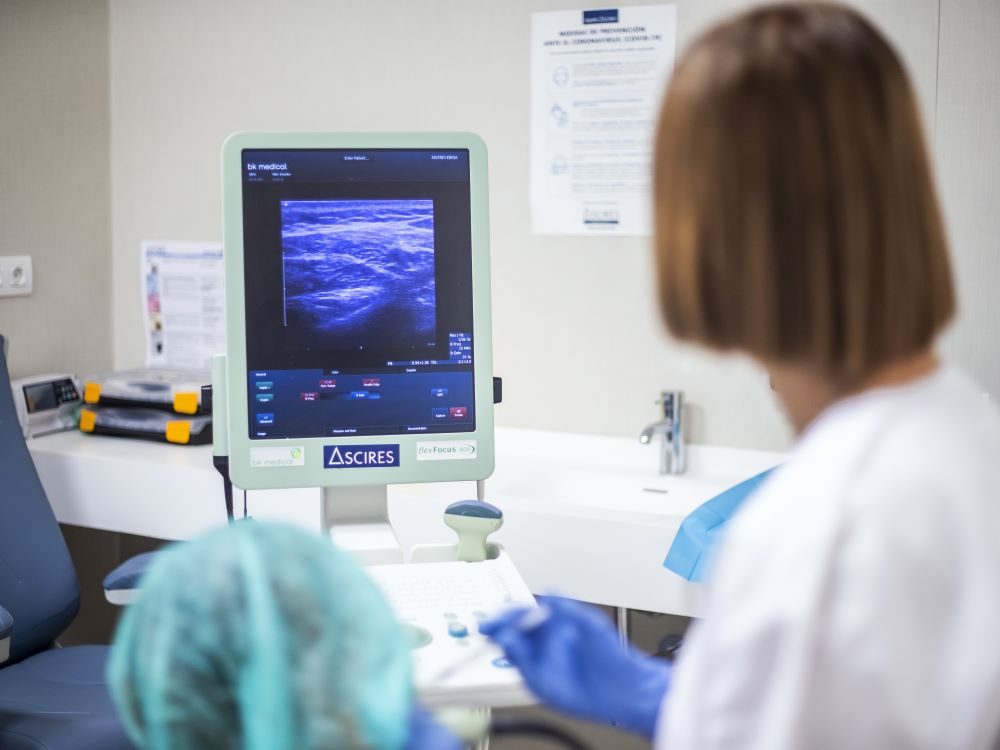
Foto del artículo: Ultrasound-Guided Botulinum Toxin Infiltration for Dystonias

Ultrasound-Guided Botulinum Toxin Infiltration for Dystonias

It reduces spasms, muscle contractions and involuntary postures by injecting botulinum toxin directly into the affected muscles. The use of ultrasound guidance ensures maximum precision throughout the procedure. This is an outpatient, fast and highly effective treatment with excellent clinical outcomes.
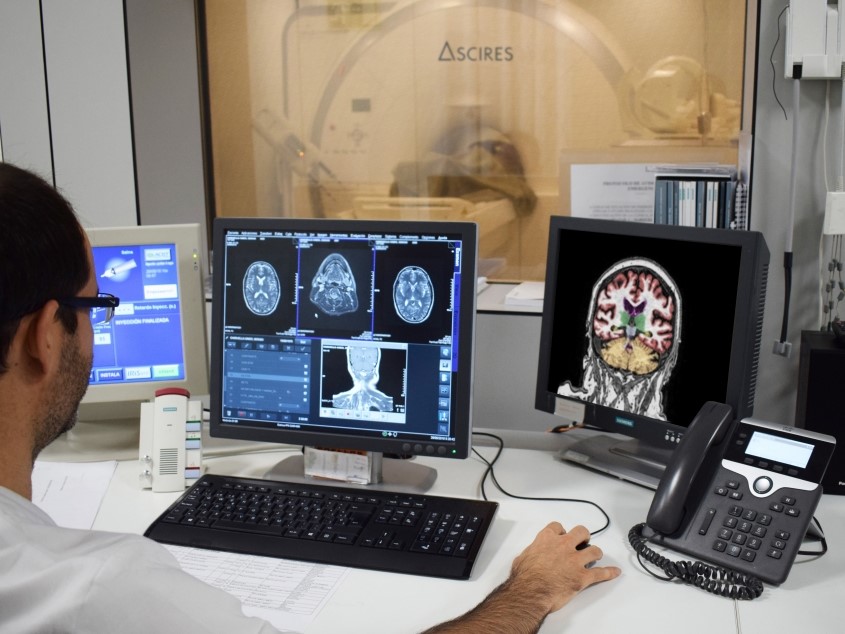
Foto del artículo: Highly specialised, internationally recognised multidisciplinary team

Highly specialised, internationally recognised multidisciplinary team

We have an outstanding team of Neurologists, Neurosurgeons, Radiologists, Nuclear Medicine physicians and Biotechnologists, all with extensive national and international experience in the diagnosis and specialised treatment of patients with movement disorders.
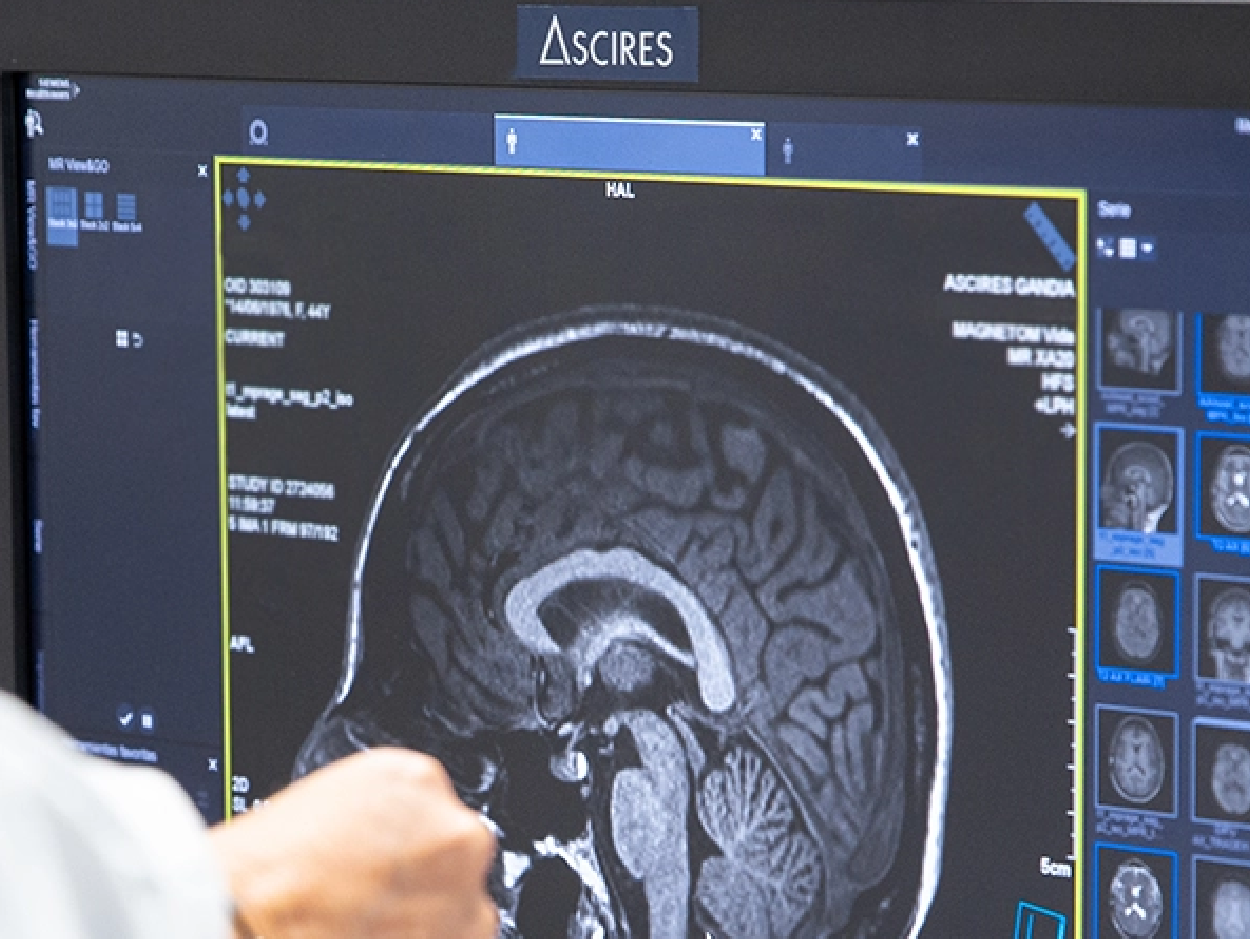
Foto del artículo: AI-enhanced diagnostic accuracy

AI-enhanced diagnostic accuracy

All imaging techniques used in the Parkinson’s and Movement Disorders Unit are supported by Artificial Intelligence, enabling the detection of subtle findings that are imperceptible to the human eye and allowing for earlier and more precise diagnoses.
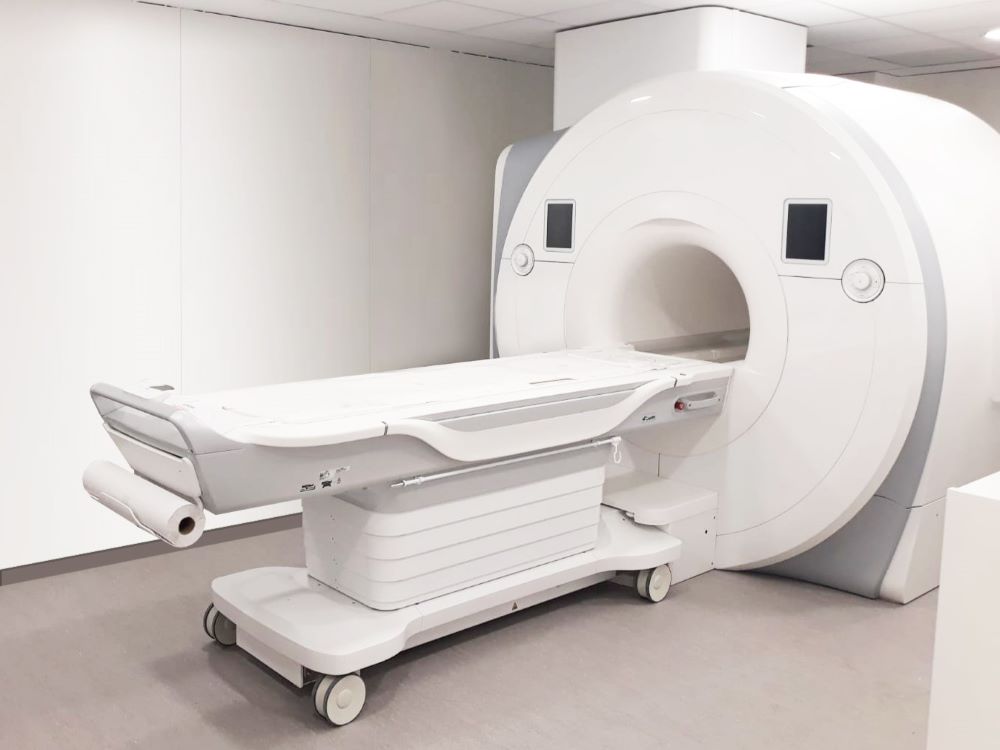
Foto del artículo: High-field Magnetic Resonance Imaging (3 Tesla)

High-field Magnetic Resonance Imaging (3 Tesla)

We perform neurological studies using equipment that provides the highest possible brain image quality, maximising diagnostic precision.

Symptoms

Most common symptoms of movement disorders

When should you consult your neurologist?

Do you experience any of these symptoms? Consult a specialist neurologist.

  • Slowness of movement
  • Tremor
  • Gait rigidity
  • Balance and coordination problems with an increased risk of falls
  • Involuntary movements
  • Lack of motor coordination

Most common conditions:

  • Parkinson’s disease
  • Atypical parkinsonism
  • Essential tremor
  • Focal or generalised dystonias
  • Huntington’s disease.
  • Hereditary or acquired ataxias.
  • Restless legs syndrome.
  • Tardive dyskinesias (medication-induced).
  • Spasticity and gait disorders.