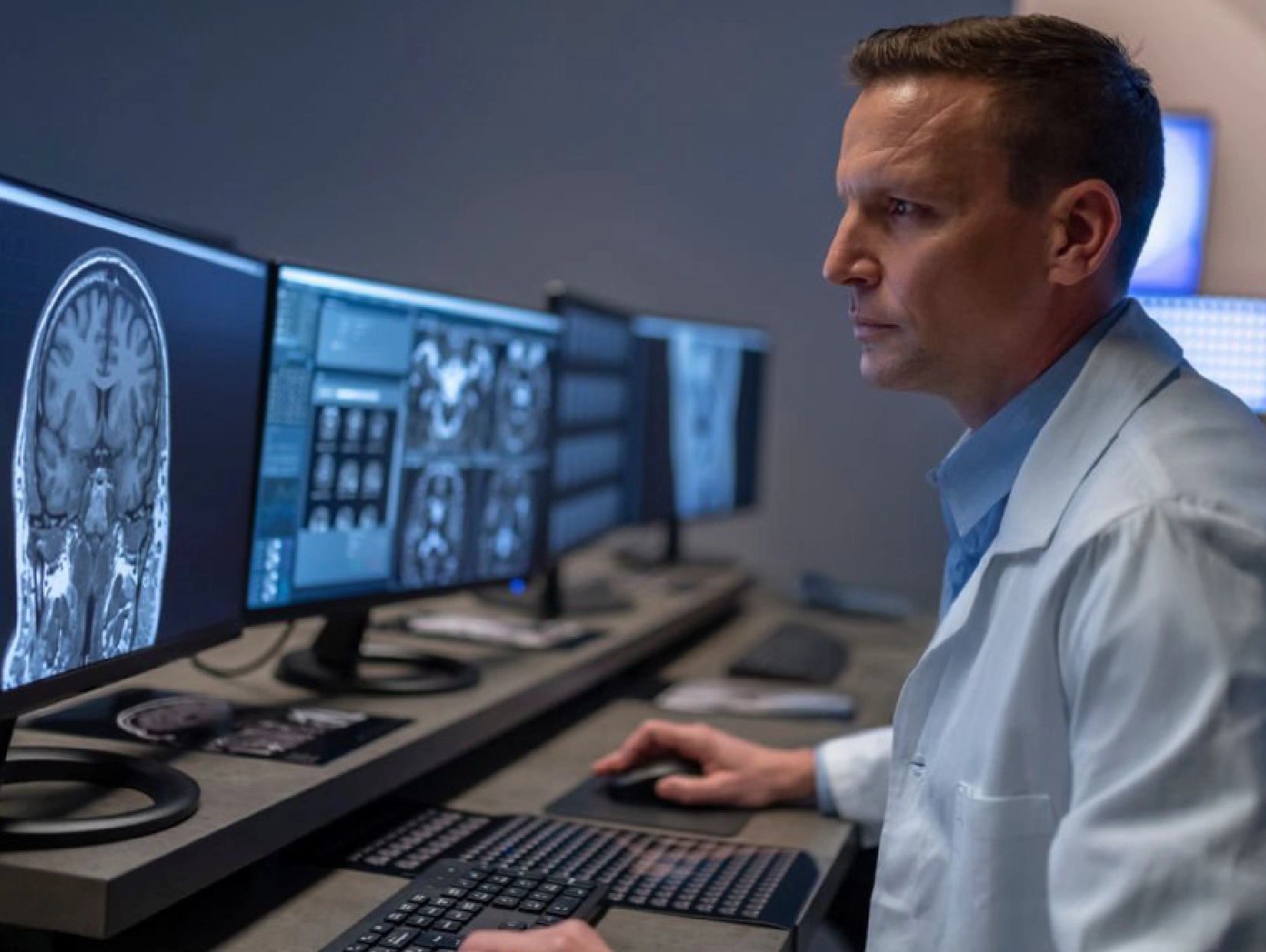
In the Memory and Cognitive Disorders Unit (such as Alzheimer’s disease, among others), we offer early and accurate diagnosis of memory disorders and other cognitive alterations.
We have a specialised team and use advanced techniques such as PET-CT, lumbar puncture and plasma biomarkers (indicators that confirm the brain’s pathological process) to diagnose both early-stage cases and the most complex ones.
Our commitment goes beyond diagnosis and treatment: we provide comprehensive and personalised support for both the patient and their family environment.
What makes us unique
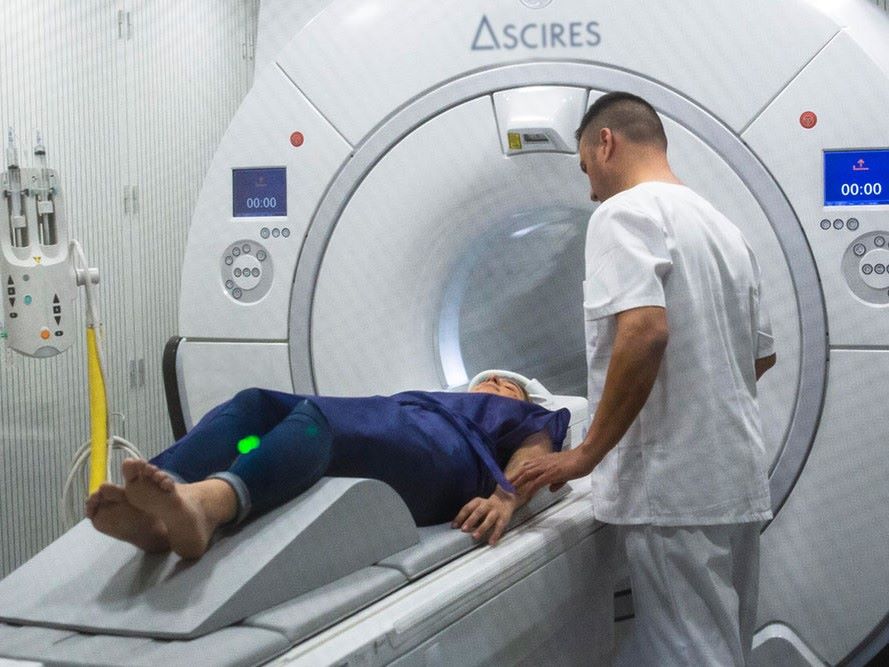
Tests
To carry out an early, accurate and personalised diagnosis, our Memory and Cognitive Disorders Unit in Valencia uses a combination of clinical tests and state-of-the-art technology. These tests allow us to differentiate between the various types of dementia, assess their severity and determine the most appropriate treatment for the symptoms:
Useful information
The early symptoms of Alzheimer’s and other dementias can be subtle and difficult to recognise. It is important to seek specialised care if you notice:
If you notice changes in your memory or that of a loved one, request a specialised consultation for Alzheimer’s disease and dementias at our unit in Valencia. We are by your side from the very first moment.

Diseases that present with neurodegenerative cognitive impairment are neurological disorders that progressively affect functions such as memory, attention, language, orientation or reasoning. These changes interfere with the person’s daily life and gradually worsen over time.
Among the most frequent are Alzheimer’s disease, frontotemporal dementia and dementia with Lewy bodies.
However, some forms of cognitive impairment that also begin mildly (Mild Cognitive Impairment or MCI) do not always progress to dementia (e.g. vascular cognitive impairment, post-traumatic impairment…)
Early diagnosis in a specialised unit makes it possible to identify the type of disease, apply therapeutic and supportive measures for both the patient and their environment, and provide optimised follow-up and support tailored to specific needs at each stage.
Alzheimer’s disease is not always hereditary. In most cases, it develops sporadically, without an identifiable genetic cause. Only a small percentage of diagnoses are associated with an identified genetic mutation, with symptoms usually beginning at an earlier age.
In general, a family history may slightly increase the risk, but it does not by itself determine the onset of the disease. Other factors such as age, lifestyle habits, cardiovascular health and intellectual activity also influence its development.
If there is a suspicion of genetic risk or related concerns, specialised dementia units can offer individualised assessments and specific tests to guide diagnosis and prevention.
Alzheimer’s disease is the most common type of dementia, mainly characterised by progressive memory loss. Other dementias may have different causes and symptoms, affecting specific areas such as language, behaviour or mobility.
The appropriate specialist is a neurologist with expertise in Alzheimer’s disease and other dementias, who will carry out a thorough assessment and advise on the next steps.
It is essential to provide emotional support, learn about the disease, take part in stimulating activities together and seek specialist professional guidance from the outset.
If you or a family member notice frequent forgetfulness, confusion, changes in behaviour or difficulties in performing everyday tasks, it is advisable to seek a specialist dementia consultation as soon as possible. Early diagnosis improves treatment options and helps plan for the future with greater peace of mind.
Request a specialist consultation at our Alzheimer’s and Dementia Unit in Valencia and take the first step towards receiving expert care.
Ascires has the ENS certification with the MEDIA category for its medical centers in the Valencian Community and Madrid.